Portfolio Diversification for Confident Investing

Portfolio diversification spreads your investment exposure across markets and time horizons, helping you pursue passive income with clearer risk control.
A portfolio built around one winning idea can feel exciting - until that market moves against you. Portfolio diversification gives investors a more measured way to pursue growth and passive income by spreading exposure across different assets, sectors, regions, and investment timelines. Rather than depending on a single trade, coin, stock, or market trend, you create a structure designed to keep working through changing conditions.
For investors who do not want to spend every day watching charts or reacting to headlines, diversification is more than a textbook concept. It is a practical foundation for financial well-being. It helps turn market access into a strategy, giving your capital more than one opportunity to perform while helping reduce the impact of any single loss.
What Portfolio Diversification Really Means
Portfolio diversification means allocating capital across investments that may not move in exactly the same direction at the same time. Equities can respond to corporate earnings and economic growth. Currencies can react to interest rates and geopolitical events. Commodities may be influenced by supply constraints, inflation, or global demand. Cryptocurrencies can bring higher growth potential alongside sharper price swings.
Holding several assets alone is not enough. If every position is tied to the same market event, your portfolio may still be highly concentrated. True diversification considers what drives each asset, how volatile it can be, and how it fits your overall goal.
A diversified approach may include exposure to equities, indices, fiat currencies, commodities, and digital assets. It can also be spread across short-, mid-, and long-term programs. This creates multiple paths toward returns instead of asking one market to carry your entire financial plan.
Why Diversification Matters for Passive Investors
Many people want market participation without the pressure of becoming full-time traders. They have careers, businesses, families, and personal responsibilities. They may understand the opportunity in global markets but do not have the time or experience to monitor positions around the clock.
That is where a managed, diversified portfolio can make a meaningful difference. A professional market approach can assess opportunities across asset classes while adapting to changing market behavior. When one market becomes less favorable, attention can shift toward areas with stronger conditions, subject to the strategy and risk limits in place.
Diversification does not remove investment risk, and it does not guarantee profit. Every market can decline, sometimes at the same time. However, avoiding overexposure to one asset can help make the journey less dependent on a single unpredictable outcome. For investors pursuing passive income, that added balance can support more disciplined decisions over time.
It reduces concentration risk
Concentration risk occurs when too much capital is committed to one company, sector, currency, or digital asset. A strong position can produce gains when conditions are favorable, but it can also create outsized losses when sentiment changes.
For example, an investor who places all available capital into cryptocurrency may benefit during a powerful rally. But if the market corrects sharply, there may be no exposure elsewhere to help offset that movement. Adding other market categories can create a broader base for capital allocation.
It supports different financial time horizons
Not every investment goal has the same deadline. You may want near-term cash flow, capital for a planned purchase, or long-term wealth growth. A single strategy rarely fits all three needs equally well.
Shorter-term positions may focus on active market opportunities and liquidity. Mid-term exposure can pursue growth across market cycles. Longer-term allocations may allow more time for compounding and recovery from temporary volatility. Aligning these timelines with your own needs can make your investment plan feel more intentional and less reactive.
Building a Diversified Investment Mix
The right mix depends on your risk tolerance, available capital, income needs, and investment horizon. An investor seeking stability will not necessarily allocate capital the same way as an investor comfortable with greater volatility in pursuit of higher potential returns.
Begin with the purpose of your money. Funds that may be needed soon should generally be approached with greater caution than capital set aside for long-term objectives. It is also wise to maintain an emergency reserve outside an investment program, so unexpected expenses do not force you to exit positions at an unfavorable time.
Then consider how each asset category contributes to the overall picture. Equities can offer exposure to business growth. Indices can provide broader market participation rather than reliance on one company. Currency markets may create opportunities around global economic changes. Commodities can behave differently from stocks during periods of inflation or supply disruption. Digital assets can add growth potential but may require careful position sizing because of their volatility.
The objective is not to own everything. It is to hold a combination that reflects your goals without making one outcome decisive for your finances.
Avoid diversification that is only cosmetic
Some portfolios look diversified because they contain many positions, yet all of them are closely connected. Owning several technology stocks, for instance, may still leave you exposed to the same sector pressures. Holding multiple digital currencies can create similar overlap if they tend to move with broader crypto sentiment.
A more thoughtful approach looks beyond the number of holdings. Ask whether your investments draw their performance from different sources. Consider asset class, geographic market, sector exposure, currency exposure, and time horizon. This is where professional analysis can add value, particularly for investors who want market access without personally managing every detail.
The Role of Active Monitoring and Rebalancing
Diversification is not a one-time action. Markets move, values change, and an allocation that began balanced can become concentrated after a strong rally or steep decline.
Imagine that digital assets rise quickly and become a much larger share of your portfolio than originally intended. Your exposure to volatility may now be higher than your comfort level, even if you have not added another dollar. Rebalancing means reviewing that change and adjusting allocations to bring the portfolio closer to its intended structure.
Active monitoring also helps identify when market conditions no longer support a particular position or approach. Fundamental research can evaluate economic forces, company performance, and market developments. Technical analysis can help assess price trends and trading momentum. Neither method can predict the future with certainty, but together they can support informed decision-making.
For hands-off investors, managed investment services can provide this ongoing attention without requiring them to place daily trades themselves. At Budrigantrade, diversified market exposure can be supported by continuous monitoring and strategy execution across global market opportunities, while portfolio visibility helps investors stay connected to their capital.
Common Mistakes That Weaken Diversification
The first mistake is chasing last month's best-performing asset. Recent performance can attract attention, but it does not guarantee what comes next. Moving all capital toward a market after a major rise may increase the chance of buying at a point of elevated risk.
The second is investing without a clear time horizon. A portfolio intended for short-term income should not be managed exactly like one designed for long-term growth. When goals are unclear, investors can take on more risk than they realize or withdraw capital before a strategy has had reasonable time to develop.
The third is ignoring fees, liquidity terms, and risk disclosures. A strong investment decision considers not only potential returns but also how profits are calculated, when funds may be available, and what could cause losses. Transparency is part of trust. Investors should understand the program they choose before committing funds.
Finally, do not confuse diversification with certainty. A diversified portfolio is designed to manage risk, not eliminate it. Markets can be volatile, returns can vary, and past results do not guarantee future performance. The most reliable mindset is to invest only capital you can afford to allocate, choose a strategy aligned with your goals, and give that strategy enough time to work.
A More Balanced Way to Pursue Opportunity
The strongest portfolios are not built on fear of missing out. They are built on purpose, patience, and a clear understanding that opportunity appears in more than one market. Diversifying across assets and timelines can help you pursue passive income while keeping your financial goals at the center of every decision.
Start by identifying what you want your capital to achieve, how much fluctuation you can realistically accept, and how long you can stay invested. From there, a carefully managed mix of global market exposure can give you a more confident path forward - one that lets your money participate in opportunity without requiring your full attention every day.
Recent Posts
-

-

Liquidity Planning for Investors That Works
26 Oct 2026
-

Can Entities Invest? A Practical Path to Growth
26 Oct 2026
-

High Yield Savings Versus Investing: Which Fits?
26 Oct 2026
-

Guide to Economic Indicators for Investors
22 Oct 2026
-

Retirement Portfolio Diversification Example
22 Oct 2026
-
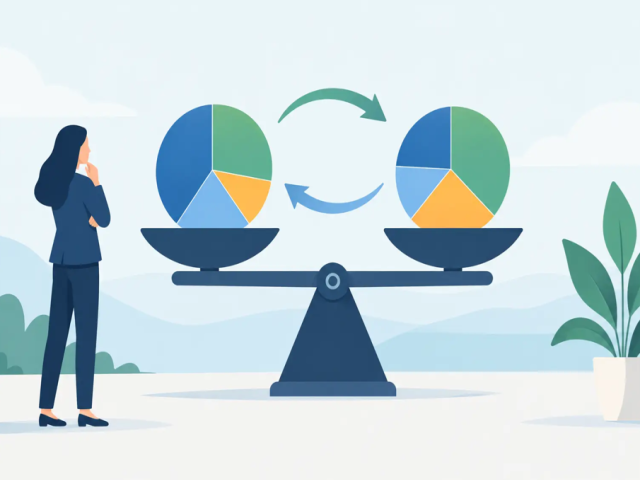
When Portfolios Rebalance and Why It Matters
22 Oct 2026
-
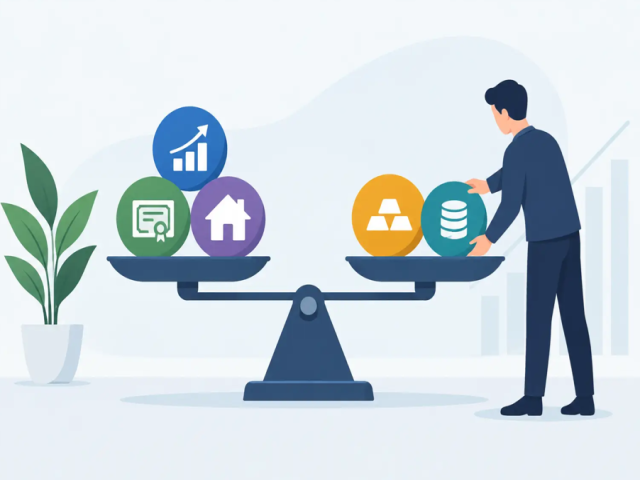
How to Rebalance a Multi Asset Portfolio
22 Oct 2026
-

How to Protect Investment Accounts From Fraud
22 Oct 2026
-
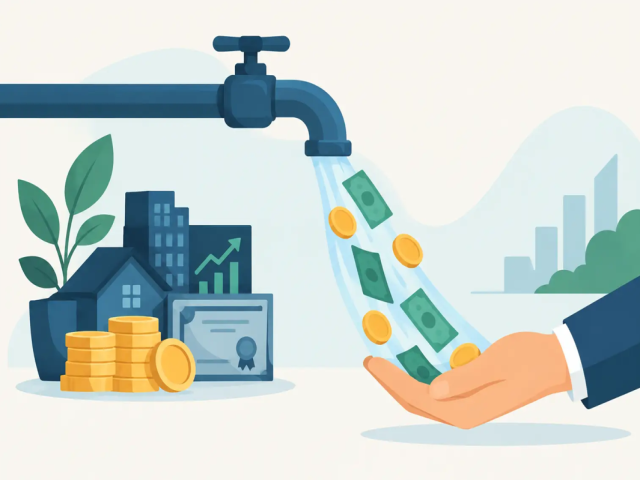
What Is Investment Liquidity and Why It Matters
20 Oct 2026
-

How to Set Financial Goals That Build Wealth
20 Oct 2026
-

Robo Advisors Versus Brokers for Your Goals
20 Oct 2026
-

-

-

When Should Portfolios Rebalance for Growth?
08 Oct 2026