Is Crypto Transaction Security Important?
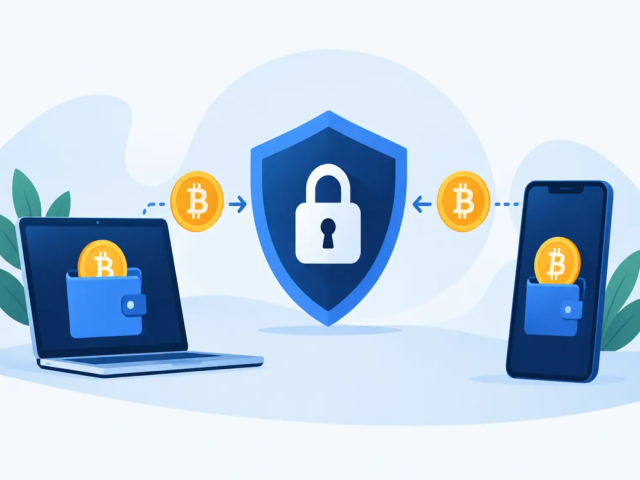
Is crypto transaction security important? Learn how wallets, verification, access controls, and smart habits can help protect your investment capital.
A crypto transfer can settle in minutes, but a mistake can last forever. Send funds to the wrong address, approve a malicious request, or expose a recovery phrase, and there may be no bank to reverse the transaction. So, is crypto transaction security important? For anyone funding an investment account, holding digital assets, or moving money across markets, it is a core part of protecting capital.
Crypto creates access to global financial opportunities without the traditional friction of banking hours, borders, or long settlement periods. That convenience comes with personal responsibility. The strongest investment strategy can still be undermined by weak account habits, rushed withdrawals, or a single convincing phishing message.
Is Crypto Transaction Security Important for Investors?
Yes, because transaction security protects more than a balance. It protects your ability to participate in the market with confidence. Digital assets are designed to give users greater control, but control also means that transactions are generally irreversible once confirmed on the blockchain.
That does not mean crypto is automatically unsafe. It means the security model is different. Traditional financial institutions often act as intermediaries that can flag, delay, or investigate suspicious movement. With crypto, ownership and authorization are often tied directly to private keys, wallet approvals, and account credentials. If those controls are compromised, recovery can be difficult or impossible.
For investors seeking passive income and managed market exposure, this distinction matters at the funding and withdrawal stages. You may not trade every day, but you still need to move funds safely, protect access to your account, and verify where your assets are going. Security creates the foundation for financial well-being. Returns are never guaranteed, but avoidable transfer errors should not be allowed to put your capital at risk.
Where Crypto Transaction Risks Usually Begin
Most crypto losses are not caused by someone breaking blockchain encryption. They happen when a person is manipulated, distracted, or given a false sense of urgency. Scammers often imitate investment platforms, support teams, wallet providers, and even friends or colleagues.
A fake website may look nearly identical to a legitimate one. A message may claim that your account is suspended and ask you to “verify” a wallet. An impostor may promise a special investment opportunity, then provide an address that belongs only to them. Once assets are sent, the recipient cannot be changed simply because the transaction was a mistake.
Network selection is another common issue. Some assets exist on more than one blockchain, and sending a token through an unsupported network can cause delays, extra recovery work, or permanent loss. A wallet address can also be valid while still belonging to the wrong person. The blockchain will not know your intended recipient.
Smart contract approvals deserve equal attention. Certain decentralized applications ask users to approve access to tokens before a swap, purchase, or other action. An approval may be legitimate, but unlimited permissions granted to an untrusted contract can expose funds later. Convenience is valuable, yet every permission should have a clear purpose.
Security Habits That Protect Your Capital
Good security is not complicated when it becomes routine. The goal is to slow down at the moments when a rushed decision could be costly.
Before making a deposit or withdrawal, confirm the receiving address directly from the official account dashboard or a verified source. Do not copy an address from an unsolicited email, social media message, or search advertisement. Check the first and last characters of the address, then check them again after pasting. Malware can sometimes replace copied addresses without being obvious.
For a first-time transfer or a large amount, send a small test transaction when practical. It may cost a modest network fee and take a few extra minutes, but that trade-off is often worthwhile. Once the test arrives correctly, you can send the remaining balance with greater confidence.
Use a strong, unique password for every investment and wallet account. A password reused from an old shopping site or social account can expose far more than one login. A reputable password manager can help create and store long credentials without forcing you to memorize them.
Two-factor authentication adds another layer. An authenticator app is generally safer than text-message codes, which can be vulnerable to SIM-swap attacks. Never share a one-time verification code with anyone, even if they claim to be support staff. Legitimate support teams do not need your password, recovery phrase, or authentication code to assist you.
Your recovery phrase, sometimes called a seed phrase, is the master key to a self-custody wallet. Write it down securely offline if you use one. Do not save it in screenshots, cloud notes, email drafts, or a chat with yourself. Anyone who has that phrase can control the wallet, and no credible platform employee should ever request it.
For larger long-term holdings, a hardware wallet can reduce exposure by keeping private keys offline. This adds responsibility: you must protect the device, the recovery phrase, and any backup process. It may not be necessary for every investor, especially when assets are actively used within a managed service, but it is a valuable option for funds you intend to hold independently.
Verify the Platform Before You Transfer
A secure transaction starts before you click send. Take time to assess the destination platform, especially when an offer appears unusually urgent or unusually generous. Clear account access, transparent transaction records, defined deposit and withdrawal procedures, and responsive support are positive operational signs. Pressure to act immediately is not.
Be careful with claims that imply guaranteed returns, risk-free trading, or instant recovery from losses. Markets move, and every investment carries risk. A credible approach makes room for both opportunity and realistic risk awareness. Security and sound judgment work together.
If you are using an online investment service, access it by entering the official web address yourself or using a saved bookmark after confirming the correct domain. Avoid logging in through unexpected links. Keep your device updated, use screen locks, and do not conduct sensitive transactions through public Wi-Fi unless you have a trusted, secure connection.
At Budrigantrade, investors should treat account credentials and transaction confirmations as part of their overall investment discipline. Portfolio visibility and convenient funding options can simplify market participation, but the account holder should still verify every transfer detail and protect access with care.
A Practical Check Before Every Transfer
Use this short pause as a standard part of your process:
- Confirm you are on the correct official platform or wallet application.
- Verify the recipient address and the selected blockchain network.
- Check the amount, including network fees and any minimum deposit requirements.
- Review whether the transaction is a test transfer or the full intended amount.
- Make sure no one is pressuring you through messages, calls, or social media.
- Save the transaction ID and confirmation details for your records.
This takes only a few minutes. For meaningful capital, it is time well spent. The best time to identify an error is before the blockchain confirms it.
Security Does Not Remove Market Risk
Transaction security protects against unauthorized access, misdirected transfers, and common fraud tactics. It does not protect an investment from price volatility, changing market conditions, or the possibility of loss. Bitcoin, altcoins, stablecoins, and token-based products can each carry different levels of market, liquidity, and counterparty risk.
That is why investors should separate two questions. First: is the transaction secure? Second: does the investment itself fit my goals, timeline, and risk tolerance? A secure transfer to an unsuitable investment is still an unsuitable investment. Likewise, a promising opportunity is not worth pursuing through an unverified channel.
Crypto can support flexible funding, global access, and faster movement of capital. Used thoughtfully, it can be a practical part of a broader investment plan. The discipline is simple: verify first, protect your credentials, and never let urgency make decisions for you.
Recent Posts
-

-

Digital Wealth Management Trends to Watch
01 Nov 2026
-

9 Best Financial Forecasting Tools for Investors
01 Nov 2026
-

Actively Managed Versus Robo Advisors Compared
01 Nov 2026
-
-

Liquidity Planning for Investors That Works
26 Oct 2026
-

Can Entities Invest? A Practical Path to Growth
26 Oct 2026
-

-

High Yield Savings Versus Investing: Which Fits?
26 Oct 2026
-

Guide to Economic Indicators for Investors
22 Oct 2026
-

Retirement Portfolio Diversification Example
22 Oct 2026
-

When Portfolios Rebalance and Why It Matters
22 Oct 2026
-

How to Rebalance a Multi Asset Portfolio
22 Oct 2026
-
How to Protect Investment Accounts From Fraud
22 Oct 2026
-

What Is Investment Liquidity and Why It Matters
20 Oct 2026