How to Protect Crypto Transfers Without Costly Mistakes
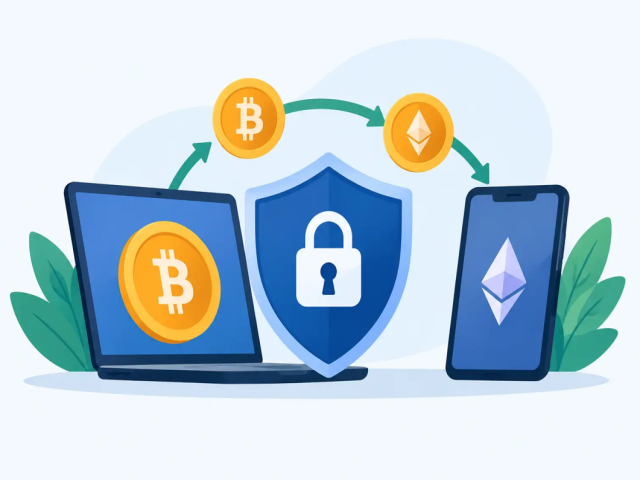
Learn how to protect crypto transfers with simple checks for wallet addresses, networks, approvals, devices, and recovery plans before you send funds.
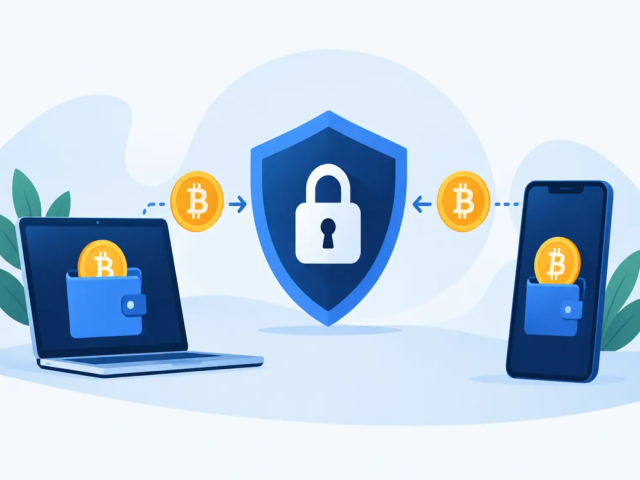
A crypto transfer can be fast, global, and convenient. It can also be final. If funds go to the wrong address, travel on the wrong network, or are approved through a fraudulent request, there may be no bank desk to call and no simple reversal button. Knowing how to protect crypto transfers is therefore part of protecting your financial well-being, whether you fund an investment account, move assets into long-term storage, or receive a payment.
The goal is not to make every transaction feel complicated. It is to build a short, disciplined process that catches the errors and scams most likely to cost you money. A few minutes of verification can protect capital you worked hard to build.
Start With the Destination, Not the Send Button
The receiving wallet address is the most important detail in a crypto transaction. Wallet addresses are long, difficult to read, and easy to confuse. A single incorrect character can send assets to a destination you do not control.
Never type an address manually when you can avoid it. Copy it directly from the receiving platform or wallet, then compare the first several characters and the final several characters before sending. This is not excessive caution. Certain forms of malware can replace a copied crypto address with an attacker’s address while leaving the rest of your screen looking normal.
For a new recipient or a large transfer, send a small test amount first. Wait for it to arrive, confirm that the recipient can access it, and only then send the balance. The network fee may make a test transaction feel inconvenient, but that small cost can be far less than the cost of a one-time mistake.
Use saved address books carefully. Whitelisting trusted withdrawal addresses can reduce manual entry, particularly when you make recurring transfers. Still, review saved addresses periodically and require strong account security before changing or adding one.
Match the Asset to the Correct Network
Many digital assets exist on more than one blockchain. A stablecoin, for example, may be available on Ethereum, Tron, Solana, or other networks. The asset name may look identical, but the route is not.
Before confirming any transfer, make sure the sender and receiver support the same asset on the same network. If the receiving platform asks for USDT on a specific network, do not assume any version of USDT will arrive correctly. Check the network label at both ends of the transfer.
This is especially relevant when funding a managed investment account or moving funds between exchanges and private wallets. Lower fees can be attractive, but the cheapest network is only useful when it is fully supported by the destination. Choose compatibility first, then consider speed and cost.
If you are unsure, pause the transaction. A legitimate platform’s deposit instructions should clearly identify accepted assets, networks, minimums, and any required memo or tag. Uncertainty is a reason to verify, not a reason to rush.
Do Not Ignore Memos, Tags, and Payment References
Some assets and platforms use a shared deposit address. In these cases, a memo, destination tag, or payment reference tells the platform which account should receive the funds.
Leaving out this information can delay your deposit or require a recovery process. Before sending, compare every required field with the deposit instructions. Treat a memo or tag as part of the address, not as an optional note.
Protect the Device That Approves Your Transfer
Crypto security begins before the transaction screen opens. If someone gains access to your email, phone number, exchange account, or browser session, they may attempt to redirect your funds.
Start with a unique, long password for every financial account. A password manager can generate and store strong credentials so you do not have to reuse familiar phrases. Then turn on two-factor authentication using an authenticator app or a hardware security key where available. Text-message codes are better than no protection, but they can be vulnerable to phone-number takeover schemes.
Keep your operating system, browser, wallet software, and mobile apps updated. Updates often repair security weaknesses that criminals actively target. Download wallets and apps only from verified official sources, and be wary of sponsored search results, lookalike websites, and direct messages that send you to a “new” login page.
Avoid initiating large transfers on public Wi-Fi or shared computers. If you must review an account away from home, use your own secured device and wait until you are on a trusted connection before approving a transaction.
Treat Seed Phrases Like the Master Key They Are
Your seed phrase or recovery phrase can restore access to a self-custody wallet. Anyone who has it can usually move the assets in that wallet. No reputable investment platform, wallet provider, support agent, or analyst needs your seed phrase to help you receive crypto.
Do not enter the phrase into a form because someone says your wallet needs “validation,” “synchronization,” or “recovery.” These are common scam narratives. Do not save it in screenshots, cloud notes, email drafts, or chat messages either. A digital copy can be exposed through a compromised account or device.
Write the phrase down and store it securely offline, with a backup plan that protects against fire, loss, and unauthorized access. The right storage method depends on the value involved and your personal circumstances. For substantial long-term holdings, a hardware wallet and a carefully protected offline backup can provide stronger separation from internet-connected devices.
Self-custody offers direct control, but it also places recovery responsibility on you. Custodial platforms may provide account recovery processes, yet they introduce a different risk: you must evaluate the provider’s security practices and your own account protection. There is no one perfect arrangement for every investor.
Watch for the Social Engineering Behind Most Losses
The biggest threat is often not a technical hack. It is a message designed to make you act before you think. A scammer may claim that your account is frozen, that you must pay a release fee, that an investment is expiring, or that a transfer must happen immediately to secure a special return.
Pressure is a warning sign. So are guarantees, requests for remote access to your device, and instructions to communicate only through a private messaging app. Legitimate financial operations can provide clear transaction instructions, but they should not demand your private keys, recovery phrase, or rushed action outside normal secure channels.
Use a separate, verified route to confirm any unexpected request. Open the platform yourself through the app or address you normally use. Do not use the link, phone number, QR code, or contact supplied in the suspicious message.
Be cautious with QR codes as well. They are convenient, but they can encode a malicious site or an altered wallet address. Review the address and destination details after scanning, just as you would with copied text.
Review Token Approvals and Connected Wallets
Sending crypto is not the only way assets leave a wallet. When you connect a wallet to decentralized applications, you may approve a smart contract to spend certain tokens. A legitimate approval can support a trade or exchange. An unlimited approval to an untrusted contract can create serious exposure.
Before approving any request, read what it asks for. Confirm the domain, the token, the amount, and the spending permission. If you only need to complete a small action, avoid granting unlimited access when a limited approval is available.
Periodically review wallet connections and revoke permissions you no longer need. Keeping a separate wallet for experiments, new applications, or small transactions can also limit the impact if an unfamiliar service proves unsafe. Your long-term holdings do not need to interact with every opportunity you explore.
Create a Transfer Routine You Can Repeat
A reliable routine reduces emotional decisions. Before moving funds, take a moment to confirm the recipient address, asset, network, amount, fee, and any memo or tag. For a large or first-time transfer, send a test amount. Then check that your device is secure, your two-factor authentication is active, and the request came through a verified channel.
For investors who value convenience, routine matters more than technical expertise. Platforms such as Budrigantrade may simplify account visibility and crypto funding, but the final approval of a transfer still deserves your attention. Automation can make investing easier; it should never replace basic verification.
Keep records of transaction IDs, dates, amounts, receiving addresses, and the purpose of each transfer. This helps with personal tracking, deposit follow-up, and tax preparation. It also makes unusual activity easier to spot.
If Something Looks Wrong, Act Before Sending
A transaction that has not been broadcast can still be stopped. Close the page, disconnect the wallet, and investigate. Do not let a countdown, a customer-service message, or fear of missing an opportunity force a decision.
If you have already sent funds to the wrong place, contact the receiving platform immediately if it is a known service. Provide accurate transaction details, but do not pay anyone who promises guaranteed recovery in exchange for an upfront fee. Recovery scams often target people immediately after a loss.
The most valuable habit in crypto is calm verification. Move deliberately, protect your credentials, and give major transfers the same care you would give any meaningful financial decision. Your next transaction does not need to be stressful. It simply needs to be checked before it becomes final.
Recent Posts
-

-

-
7 Best Automated Savings Methods for Investors
10 Nov 2026
-

What Causes Market Volatility? Key Drivers
10 Nov 2026
-

Small Business Treasury Allocation That Works
09 Nov 2026
-
Best Practices for Investor Cybersecurity
09 Nov 2026
-

What Causes Investment Losses? 7 Key Reasons
09 Nov 2026
-

Investment Risk Comparison for Smarter Choices
09 Nov 2026
-

ETFs Versus Mutual Funds for Investment Goals
09 Nov 2026
-

-

Digital Wealth Management Trends to Watch
01 Nov 2026
-
Is Crypto Transaction Security Important?
01 Nov 2026
-

9 Best Financial Forecasting Tools for Investors
01 Nov 2026
-

Actively Managed Versus Robo Advisors Compared
01 Nov 2026
-