How Decentralized Finance Regulation Affects You
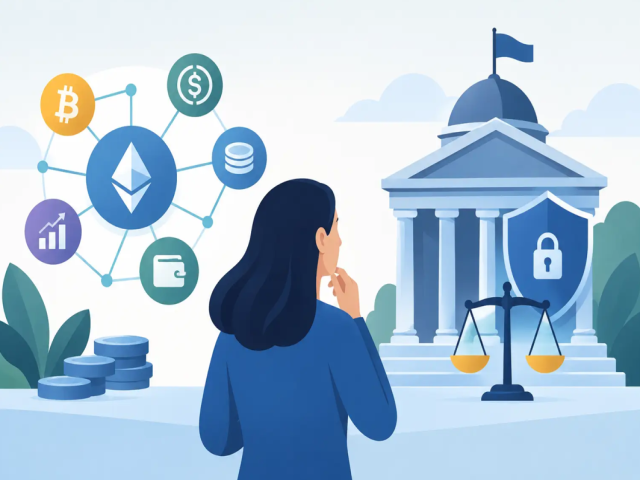
Decentralized finance regulation is reshaping crypto investing. Learn what rules may change, where risks remain, and how to evaluate platforms wisely.
A crypto transaction can settle in minutes, but the question of who is responsible when something goes wrong is far less simple. That is the central issue behind decentralized finance regulation. For investors seeking passive exposure to digital assets, the changing rulebook affects more than headlines. It can influence which products are available, how platforms handle customer funds, what disclosures you receive, and how confidently you can assess risk.
DeFi was built around direct access. Rather than relying solely on a bank or broker, users can interact with blockchain-based lending, trading, staking, and liquidity protocols. The opportunity is clear: global markets can be available around the clock, often with lower barriers to entry. The trade-off is equally clear: fewer traditional safeguards may apply when code, wallets, token issuers, service providers, and users each play a different role.
For investors, regulation should not be viewed as the enemy of opportunity. Well-designed rules can help separate transparent market participants from operations that depend on confusion, exaggerated claims, or weak controls.
Why Decentralized Finance Regulation Is Accelerating
Regulators are moving faster because DeFi is no longer a niche experiment. Digital assets now intersect with consumer investing, payments, lending, derivatives, asset management, and cross-border finance. When these activities reach a meaningful scale, the same concerns that exist in traditional markets follow: fraud, market manipulation, money laundering, inadequate disclosures, conflicts of interest, and losses caused by poor custody practices.
The difficulty is that decentralized systems do not always have a single company running every function. A protocol may use smart contracts to execute transactions automatically. Governance token holders may vote on changes. Developers may have written the original code but no longer control it. At the same time, many users access DeFi through websites, mobile interfaces, custodians, exchanges, analytics tools, or managed investment services that are clearly operated by businesses.
That distinction matters. A regulator may find it difficult to regulate autonomous code in the same way it regulates a registered broker. But it can still examine the people and companies that market access, custody assets, facilitate transactions, collect fees, or make investment-related promises.
For US investors, the direction of travel is straightforward even when individual rules remain debated: platforms that handle customer assets or provide investment-like services are likely to face greater expectations around compliance, disclosures, recordkeeping, and financial crime controls.
What Rules May Mean for Everyday Investors
The impact will depend on the product and the platform. A self-custodied wallet, a decentralized exchange, a lending protocol, and a managed crypto strategy do not present the same risks or fit neatly into one regulatory category. Still, several changes are likely to matter to anyone investing capital online.
More clarity around who is operating the service
A trustworthy platform should make its role understandable. Does it merely provide software? Does it take custody of assets? Does it pool capital? Does it make trading decisions? Does it earn from spreads, lending, performance fees, or token incentives?
Regulatory attention pushes these questions into the open. That is useful because investors should never have to guess who is responsible for their funds, how a strategy is managed, or what happens if a transaction fails. Clear terms do not eliminate risk, but unclear terms make informed decisions almost impossible.
Stronger controls around customer assets
The collapse or failure of several crypto businesses showed why custody is not a minor technical detail. If a provider controls private keys or holds assets in pooled wallets, investors need to understand whether funds are segregated, how withdrawals work, what internal controls exist, and whether the provider can use customer assets for other purposes.
Rules may increasingly require clearer custody arrangements, stronger capital practices, and more specific treatment of client assets in the event of insolvency. These are not glamorous features, but they are part of financial well-being. Easy deposits mean little if withdrawal rights are vague when markets become volatile.
Better disclosures, but not guaranteed safety
Investors may see more risk warnings, fee explanations, performance methodology, and information about conflicts of interest. This is progress, especially where a platform offers passive income, yield, or managed exposure.
However, disclosure is not a seal of approval. A detailed website can still describe a high-risk product. Past returns can still fail to predict future results. Crypto assets remain volatile, smart contracts can contain vulnerabilities, and liquidity can disappear quickly during stressed markets. Regulation can raise standards, but it cannot turn speculation into certainty.
The Key Trade-Off: Access Versus Protection
DeFi has gained momentum because it gives people more direct choices. Someone in one country can access a digital market, move assets at any hour, or participate in a protocol without the friction of traditional finance. For working professionals and investors who do not want to trade markets all day, digital platforms can also make managed exposure more accessible.
Yet accessibility without accountability can become expensive. A platform may be easy to join, but investors should consider whether it can explain its investment process, risk controls, security practices, and withdrawal procedures in plain language. The right choice depends on your goals, investment horizon, and comfort with loss.
There is also a risk of overcorrection. Rules that are too vague or burdensome may drive legitimate activity offshore, reduce competition, or make it harder for smaller innovators to serve users. Rules that are too light can leave investors exposed to preventable harm. The strongest regulatory approach focuses on the activity and the risk, not just the technology label.
How to Evaluate a DeFi or Crypto Investment Platform
Before committing funds, approach the decision with the same discipline you would use for any investment provider. Do not let a polished dashboard, fast-growing community, or attractive projected return replace basic verification.
Start by identifying what you are buying. Are you purchasing a token, lending assets, joining a liquidity pool, authorizing an automated strategy, or depositing into a managed account? Each structure has different sources of return and different ways capital can be lost. If the explanation is vague, pause before sending funds.
Next, review the platform's custody and withdrawal process. Find out who controls the assets, whether there are lockup periods, whether withdrawals can be delayed, and whether network fees or trading conditions affect access to your money. Test small transactions where appropriate rather than making a large first deposit based on marketing alone.
You should also understand fees. A performance-based commission can align a manager's compensation with generated profit, but it does not remove market risk. Ask how profits are calculated, whether losses are carried forward before additional performance fees apply, and what other charges may affect your outcome. Transparent pricing supports smarter decisions.
Finally, examine how risk is communicated. Credible operators acknowledge that markets move in both directions. They explain that diversification may reduce concentration risk but does not prevent losses. They avoid presenting crypto yield, algorithmic strategies, or global market trading as guaranteed income. Confidence is valuable; false certainty is not.
What Comes Next for Decentralized Finance Regulation
The next phase will likely be uneven. Different countries will continue to take different approaches, while US agencies and lawmakers work through questions involving securities, commodities, banking, tax reporting, and consumer protection. Some services will register or adapt their offerings. Others may restrict access by location, redesign products, or exit markets where compliance requirements become too difficult.
For serious platforms, this shift can create an advantage. Clear operations, meaningful disclosures, careful client-asset handling, and visible risk management become differentiators when investors have more options and higher expectations. Trust is not built by promising effortless returns. It is built by explaining the process, respecting client capital, and maintaining transparency when markets are calm and when they are not.
The practical move is to keep opportunity and due diligence together. If a digital investment fits your goals, start with an amount you can afford to have exposed to market risk, understand exactly how the service works, and give transparency the same weight as potential return. That mindset leaves room for growth without treating regulation, or risk, as an afterthought.
Recent Posts
-
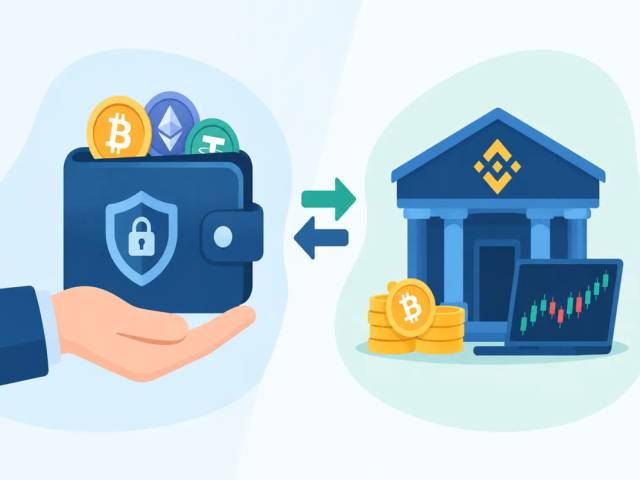
Custodial Wallets Versus Exchanges Explained
17 Nov 2026
-

-

12 Best Questions for Investment Providers
17 Nov 2026
-

Why Markets Fluctuate and What It Means for You
17 Nov 2026
-

-

-
-

7 Best Automated Savings Methods for Investors
10 Nov 2026
-
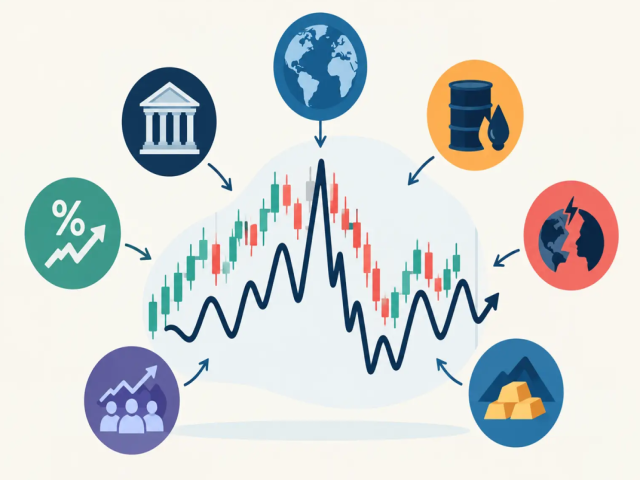
What Causes Market Volatility? Key Drivers
10 Nov 2026
-

Small Business Treasury Allocation That Works
09 Nov 2026
-
Best Practices for Investor Cybersecurity
09 Nov 2026
-

What Causes Investment Losses? 7 Key Reasons
09 Nov 2026
-

Investment Risk Comparison for Smarter Choices
09 Nov 2026
-

ETFs Versus Mutual Funds for Investment Goals
09 Nov 2026
-