Best Practices for Investor Cybersecurity
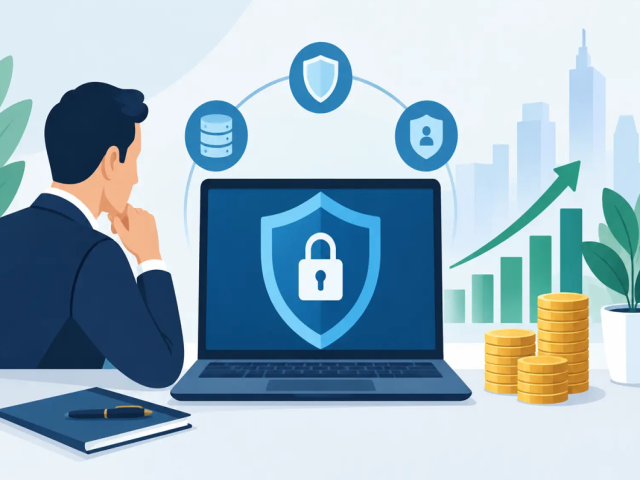
Best practices for investor cybersecurity to protect accounts, personal data, and digital assets while pursuing passive income with greater confidence.
A strong investment strategy can be undermined in minutes if the account behind it is not protected. The best practices for investor cybersecurity are not reserved for technical experts. They are practical habits that help protect your capital, identity, and access to the financial opportunities you have worked to create.
For investors using online platforms, automated tools, and digital assets, security is part of financial well-being. A cybercriminal does not need to predict the market to cause damage. They only need a stolen password, a convincing fake message, or a rushed decision. The goal is simple: make your investment account far harder to access, manipulate, or impersonate.
Start With the Security of the Platform
Before depositing funds or sharing personal information, assess how an investment platform communicates about account protection. A professional platform should make it clear how users access their accounts, how withdrawals are handled, and what support is available if unusual activity occurs.
Look beyond polished design and ambitious return language. Confirm that the website address is correct, that the account area uses a secure connection, and that contact details are consistent. Be cautious of investment offers delivered through unsolicited social media messages, private chats, or email addresses that do not match the company name.
Legitimate platforms may ask you to verify your identity as part of account setup or withdrawals. That can be a reasonable security measure. What should raise concern is a request for your password, one-time verification code, recovery phrase, or remote access to your device. No credible investment service needs those details to help you.
Use Unique Passwords and Multi-Factor Authentication
Your password is not just a login detail. It is a key to your balance, transaction history, personal data, and potentially your linked payment methods. Reusing the same password across email, banking, shopping, and investing creates a single point of failure.
Create a long, unique password for every financial account. A password manager can generate and store complex passwords without requiring you to memorize them. This is usually safer than relying on familiar words, birthdays, company names, or small variations of an old password.
Whenever available, turn on multi-factor authentication. This means logging in requires more than a password, such as an approval in an authenticator app or a temporary code. App-based authentication is generally preferable to text messages because phone numbers can be targeted through SIM-swap attacks. If text verification is the only option, it is still better than relying on a password alone.
Also protect the email account connected to your investments with the same level of care. Email is often the route used to reset passwords. If someone gains control of it, they may be able to take over several financial accounts at once.
Recognize the Messages Designed to Create Urgency
Cybersecurity attacks often succeed because they pressure people into acting before they verify. An email may claim that your account is frozen. A text may announce an urgent withdrawal request. A caller may say they are from support and need a code to secure your funds.
Pause before responding. Real security teams can notify you about account activity, but they should not ask you to reveal passwords, authentication codes, or wallet recovery phrases. A one-time code is especially sensitive. If someone asks for it, they may be trying to complete a login or transaction in your name.
Instead of clicking a link in a message, open the platform through your saved bookmark or type the verified address directly into your browser. Then check your account notifications from inside the official dashboard. This small extra step can prevent a fake website from capturing your credentials.
Be equally careful with investment impersonation on social media. Fraudsters may copy company logos, executive names, testimonials, and even public posts. A professional-looking profile is not proof of legitimacy. Verify communications through the platform's official contact process rather than trusting a direct message.
Protect Your Devices Before You Manage Money
The phone or computer used to check your portfolio is part of your investment security. Keep its operating system, browser, and financial apps updated. Updates often correct security weaknesses that criminals actively exploit.
Use a screen lock that others cannot easily guess, and enable device tracking and remote-wipe features where appropriate. Avoid logging into investment accounts on public computers, shared tablets, or unsecured public Wi-Fi. If you must access your account while traveling, use your mobile data connection or a trusted private network.
Downloading unverified browser extensions, trading tools, or crypto wallet applications can be risky. Malicious software may record keystrokes, alter payment addresses, or display fake balances. Install apps only from official app stores or verified company sources, and review permissions before approving them.
For investors managing significant balances, consider separating activities. Use one well-protected email address for financial accounts and another for newsletters, online shopping, and general signups. This limits exposure if a less important account is compromised.
Apply Best Practices for Investor Cybersecurity to Withdrawals
Deposits get attention, but withdrawal security deserves the same discipline. Before transferring money or digital assets, carefully confirm the destination details. Crypto transactions can be irreversible, and a single copied character can send assets to the wrong wallet.
If an account supports withdrawal confirmations, alerts, or address whitelisting, consider using them. These controls may add a little friction, but they can provide valuable time to detect unauthorized activity. The right choice depends on how frequently you move funds and how much flexibility you need.
Keep a personal record of your deposits, withdrawals, and major account changes. This does not need to be complicated. A simple, secure record makes it easier to spot activity that does not match your instructions and helps you communicate clearly with support if a question arises.
Never allow another person to operate your account under your credentials, even if they present themselves as a trader, account manager, or recovery specialist. Shared logins weaken accountability and make suspicious activity harder to investigate. If you invest through a business or legal entity, assign authorized users carefully and remove access promptly when roles change.
Treat Crypto Security as a Separate Responsibility
Crypto can offer flexibility for funding and diversification, but it also carries distinct security considerations. Wallet addresses, private keys, and recovery phrases must be treated like the keys to a vault. Anyone who has them may be able to control the assets, often without a reversible transaction process.
Do not store a recovery phrase in screenshots, cloud notes, email drafts, or chat messages. Keep it offline in a secure location. If you use a hardware wallet, buy it from a trusted source and follow setup instructions carefully. Never use a wallet that arrives with a recovery phrase already supplied.
Watch for address-replacement malware when sending crypto. Compare the full address, not just the first and last few characters. For larger transfers, a small test transaction can be sensible before sending the full amount. It may cost a little more in network fees, but it can reduce the risk of a costly mistake.
Build a Routine for Monitoring and Response
Security works best when it becomes routine rather than a reaction to a scare. Review your account activity regularly, especially login alerts, profile changes, new withdrawal instructions, and transaction confirmations. Turn on notifications that help you see meaningful changes quickly without overwhelming you with noise.
If you suspect unauthorized access, act immediately. Change your password from a trusted device, secure the associated email account, end unfamiliar sessions if that option is available, and contact the platform through its official support channel. Save relevant screenshots and transaction details, but do not post sensitive information publicly while seeking help.
It is also wise to tell close family members about common scams, particularly if they may have access to shared devices or financial information. Many fraud attempts succeed because a scammer isolates a target and creates false urgency. A second person can provide the pause needed to spot a problem.
Protecting your investments is not about living in fear of every message or transaction. It is about giving your financial goals the same discipline you bring to building passive income: verify first, secure access, and keep control of the decisions that move your money.
Recent Posts
-

Small Business Treasury Allocation That Works
09 Nov 2026
-

What Causes Investment Losses? 7 Key Reasons
09 Nov 2026
-

Investment Risk Comparison for Smarter Choices
09 Nov 2026
-

ETFs Versus Mutual Funds for Investment Goals
09 Nov 2026
-
-

Digital Wealth Management Trends to Watch
01 Nov 2026
-
Is Crypto Transaction Security Important?
01 Nov 2026
-

9 Best Financial Forecasting Tools for Investors
01 Nov 2026
-

Actively Managed Versus Robo Advisors Compared
01 Nov 2026
-
-

Liquidity Planning for Investors That Works
26 Oct 2026
-

Can Entities Invest? A Practical Path to Growth
26 Oct 2026
-

-

High Yield Savings Versus Investing: Which Fits?
26 Oct 2026
-

Guide to Economic Indicators for Investors
22 Oct 2026