Best Portfolio Visibility Features for Investors

Compare the best portfolio visibility features for clearer investment decisions, better control, and a more confident path toward passive income growth.
A portfolio should never feel like a black box. When you are building passive income through managed market exposure, you need to see where your capital stands, how it is allocated, and what activity is shaping its performance. The best portfolio visibility features turn complex market participation into information you can actually use without becoming a full-time trader.
For investors who value convenience, visibility is not about watching price charts every minute. It is about having a clear, reliable view of your financial position whenever you need it. A well-designed investment dashboard can build confidence, support better planning, and make it easier to stay focused on your long-term financial well-being.
Why Portfolio Visibility Matters
Managed investing removes the burden of placing trades, tracking global markets, and reacting to every price movement. That is a major advantage for working professionals, business owners, and anyone who wants market exposure without the stress of daily execution. But delegation should not mean disconnection.
Portfolio visibility gives you a practical line of sight between your goals and your capital. You can review your balance, evaluate progress, understand available actions, and decide whether your current investment horizon still fits your needs. This is especially valuable when your portfolio may include exposure to multiple asset classes, such as equities, currencies, cryptocurrencies, indices, and commodities.
The right tools also help separate thoughtful decisions from emotional reactions. Markets can move quickly, and a single daily result rarely tells the full story. A clear dashboard provides context, allowing you to assess performance across a meaningful time frame rather than making decisions based on noise.
The Best Portfolio Visibility Features to Look For
Not every platform presents information in a way that supports confident investing. The strongest visibility features combine simplicity with enough detail to keep you informed. You should not need advanced trading knowledge to understand your account, but the information should still be specific enough to support real financial decisions.
A Clear Total Balance and Available Funds View
Your total portfolio value is the starting point, but it should not be the only number you see. A useful account view distinguishes between your overall balance, active investment amount, earned profit where applicable, and funds currently available for withdrawal or reinvestment.
This distinction matters because not all capital has the same status at the same time. Some funds may be committed to a selected investment program, while other amounts may be available for your next move. Clear labeling reduces confusion and makes cash-flow planning easier, particularly for investors using short-term programs to support specific goals.
Performance Tracking Across Meaningful Time Frames
A strong portfolio dashboard lets you view performance over more than one period. Daily movement can be useful, but it should sit alongside weekly, monthly, and longer-term views. This makes it easier to see whether results align with the timeline you selected rather than judging an investment by one temporary market swing.
For example, an investor saving for a major purchase may prioritize short- or mid-term progress, while someone focused on retirement or generational wealth may care more about sustained long-term growth. Visibility should reflect those differences. One return figure without a time frame can be misleading; a performance view with context is far more valuable.
Allocation by Asset Class or Investment Program
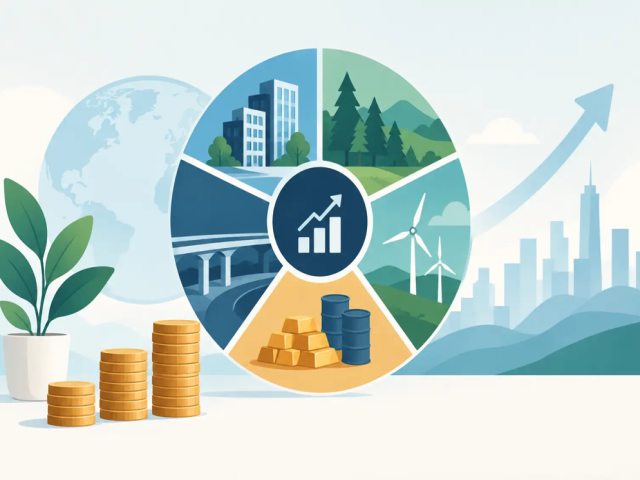
Diversification is easier to understand when it is visible. An allocation view can show how capital is distributed among investment programs or market categories. Instead of guessing where your funds are positioned, you can see the structure of your portfolio at a glance.
This feature is particularly useful when your strategy includes exposure to global financial markets. Equities, fiat currencies, digital assets, indices, and commodities can respond differently to economic news and market conditions. Allocation visibility does not remove risk, but it helps you understand how your investment is positioned to pursue opportunity across different areas of the market.
The trade-off is that more detail is not always better. A dashboard overloaded with technical market data can make beginner investors feel lost. The best design starts with a clean high-level allocation view and makes deeper information available for those who want it.
Transaction History You Can Verify
Trust is built through records, not vague promises. A complete transaction history is one of the most important portfolio visibility features because it creates a clear account of deposits, withdrawals, profit activity, and transfers.
Each record should be easy to identify by date, amount, transaction type, and status. For crypto funding, visibility is even more important because users may want to confirm that a transfer has been received and credited correctly. For bank-based transactions, investors need the same clarity around pending, completed, or returned activity.
Good transaction visibility also helps with personal recordkeeping. Whether you are managing household finances or reviewing investment activity for a business entity, organized history makes it easier to reconcile accounts and prepare for conversations with a tax or financial professional.
Deposit and Withdrawal Status Updates
Fast access matters, but clear status communication matters just as much. Investors should be able to see whether a deposit or withdrawal request is pending, processing, completed, or requires additional action. Uncertainty creates friction, especially when funds are tied to an upcoming expense or financial goal.
Status tracking gives users a sense of control without requiring them to contact support for every update. It also establishes healthier expectations. Processing times can vary depending on the payment method, verification requirements, and network conditions. A transparent platform explains the stage of the process rather than leaving investors to guess.
Goal-Based Views for Different Investment Horizons
A portfolio is more meaningful when it connects to a purpose. Goal-based visibility lets investors organize capital around intended time horizons, such as near-term cash flow, a future purchase, business reserves, or long-term wealth accumulation.
This is not simply a cosmetic feature. It can help you avoid mixing money you may need soon with funds intended to remain invested over a longer period. If you have several priorities, separate views make it easier to assess progress without losing sight of the bigger picture.
At Budrigantrade, an accessible account experience can help investors monitor selected programs while managed market activity continues in the background. The value is straightforward: you retain visibility over your financial position without taking on the daily workload of independent trading.
Security Alerts and Account Activity Notifications
Visibility also includes knowing what happens in your account as it happens. Alerts for new logins, password changes, deposit confirmations, withdrawal requests, and completed transactions add another layer of confidence.
These notifications are not just a convenience. They can help you spot unexpected activity early and respond quickly if something does not look right. Investors should still use strong, unique passwords and protect account access carefully, but timely alerts make account monitoring more practical.
How to Use Visibility Without Overreacting
The best dashboard can become counterproductive if it encourages constant checking. A visible portfolio is designed to inform your decisions, not create pressure to respond to every fluctuation. Markets move, and no investment outcome is guaranteed.
Set a review rhythm that fits your strategy. Short-term investors may check more often because their goals and liquidity needs are closer. Long-term investors may benefit from a weekly or monthly review that emphasizes allocation, account activity, and progress over time. What matters is consistency, not constant attention.
When you review your account, focus on a few practical questions: Does my current investment horizon still match my goal? Are my deposits and withdrawals recorded accurately? Is my allocation aligned with the level of market exposure I am comfortable holding? Those questions are more useful than chasing a perfect daily number.
Choose Clarity That Supports Your Next Move
Portfolio visibility should make investing feel more organized, not more complicated. Clear balances, time-based performance, allocation insights, transaction records, and real-time account updates allow you to stay connected to your capital while professional market monitoring and execution handle the day-to-day activity.
The right visibility features give your passive-income strategy something essential: confidence grounded in clear information. Review your portfolio with purpose, keep your goals in view, and let transparency support every next step you take toward stronger financial well-being.
Recent Posts
-

Guide to Economic Indicators for Investors
22 Oct 2026
-

Retirement Portfolio Diversification Example
22 Oct 2026
-
When Portfolios Rebalance and Why It Matters
22 Oct 2026
-
How to Rebalance a Multi Asset Portfolio
22 Oct 2026
-
How to Protect Investment Accounts From Fraud
22 Oct 2026
-
What Is Investment Liquidity and Why It Matters
20 Oct 2026
-

How to Set Financial Goals That Build Wealth
20 Oct 2026
-

Robo Advisors Versus Brokers for Your Goals
20 Oct 2026
-

-
-
When Should Portfolios Rebalance for Growth?
08 Oct 2026
-
Platform Security Review for Confident Investors
08 Oct 2026
-

How to Invest Business Cash Reserves Wisely
08 Oct 2026
-
How to Calculate Compound Returns on Investments
08 Oct 2026
-
Alternative Assets Trends Reshaping Portfolios
08 Oct 2026