What Affects Your Portfolio Withdrawal Speed?

Learn what affects portfolio withdrawal speed, from asset liquidity and settlement rules to verification, timing, and a disciplined cash reserve plan today.
A withdrawal request can feel simple: choose an amount, confirm the destination, and expect your money to arrive. Behind that request, however, several moving parts determine the actual timeline. Understanding what affects portfolio withdrawal speed helps you plan cash flow with more confidence, avoid unnecessary surprises, and keep investments working toward your bigger financial goals.
For investors building passive income, withdrawal speed is not only about convenience. It can affect how you handle an emergency expense, fund a business need, make a major purchase, or move profits into a separate savings account. The fastest path is usually not about rushing the process. It is about choosing liquid investments, maintaining accurate account information, and knowing how your investment program handles settlements.
What Affects Portfolio Withdrawal Speed Most
The first factor is the type of asset held in your portfolio. Cash and highly traded public securities are generally easier to convert into withdrawable funds than assets that require a buyer, a valuation process, or a fixed holding period. A portfolio with exposure to global equities, currencies, major indices, or actively traded digital assets may offer more flexibility than one concentrated in less-liquid holdings. That does not mean every asset can be converted instantly, especially during volatile market conditions.
Liquidity is the practical measure of how easily an asset can be sold near its current market price. When market activity is high, transactions can often be completed efficiently. When activity is thin, spreads widen or market prices move quickly, a manager may need more time to execute responsibly. Moving too quickly in an illiquid position can create a less favorable outcome, so there is a real trade-off between immediate access and protecting portfolio value.
The second factor is settlement. A sale may be completed today but not become available for withdrawal until the transaction formally settles. Settlement timing varies by market, asset type, and platform procedures. Some transactions settle quickly, while others require one or more business days before funds are cleared for release. This is a normal part of global market operations, not necessarily a delay caused by a withdrawal provider.
Investment program terms matter as well. Short-term, mid-term, and long-term strategies can each have different liquidity expectations. A short-term program may be designed with more frequent access in mind, while a long-term strategy may allocate capital toward opportunities that need time to develop. Before committing capital, investors should know whether there is a minimum holding period, a scheduled withdrawal window, an early-exit condition, or a notice requirement.
Verification Protects Both Speed and Security
Account verification can be one of the most overlooked influences on withdrawal timing. Platforms must confirm that funds are being sent to the rightful account holder and that transactions meet applicable security and compliance requirements. If identity documents are incomplete, a payout destination is new, or account details do not match, the request may need manual review.
Completing verification before you need a withdrawal is one of the clearest ways to reduce avoidable friction. Use your legal name consistently, keep identification current, and confirm that bank, wallet, or payment details are accurate. If you use cryptocurrency funding, double-check wallet addresses and network selections before submitting a request. Blockchain transfers are often irreversible, so accuracy matters more than speed at the point of confirmation.
Security reviews can also increase during unusual account activity. A larger-than-normal withdrawal, a login from a new location, or a recently changed payment method may trigger additional checks. While this can feel inconvenient, it is designed to protect your capital from unauthorized activity. Financial well-being depends on both access and safeguards.
Market Conditions Can Change the Timeline
Markets operate around the clock in different ways. Cryptocurrency markets trade continuously, while many equity and commodity markets have defined trading hours and holidays. A request submitted when a relevant market is closed may not move forward until trading resumes. Weekends, federal holidays, and international banking schedules can all add time to a payment cycle.
High volatility is another consideration. During sharp market moves, trading systems may experience heavy demand, prices can change rapidly, and risk controls may become more cautious. Professional portfolio management is not simply about selling at the first sign of pressure. It involves evaluating execution quality, available liquidity, and the impact of a trade on the investor's remaining position.
This is why a withdrawal can be fast in ordinary conditions but take longer during an intense market event. The goal should be a clear process that balances timely access with thoughtful execution, not an unrealistic promise that every market condition will produce the same result.
Your Withdrawal Method Makes a Difference
The payout route you choose affects the final leg of the process. Bank transfers, card-related methods, electronic payment services, and crypto transfers each run on different rails. A withdrawal may be approved by an investment platform quickly but still take additional time to appear in a bank account due to the receiving institution's own processing schedule.
Crypto withdrawals can move quickly once broadcast to the network, but confirmation time depends on congestion, network fees, and the blockchain used. Banks may be familiar and practical for routine expenses, while crypto can offer flexibility for investors who already manage digital assets. Neither route is automatically better. The right choice depends on where you need the funds, how quickly you need them, and your comfort with each method.
Currency conversion can add another layer. If portfolio proceeds are held in one currency and the withdrawal destination requires another, conversion rates, banking partners, and cross-border procedures may affect both timing and the amount received. Investors with international commitments should build this possibility into their planning rather than treating it as an exception.
Plan for Access Before You Need It
A strong portfolio is not just built for growth. It is built to support the life you want to live. That means separating near-term spending needs from capital intended for longer-term market participation. Keeping an accessible cash reserve can help you handle urgent costs without forcing an investment withdrawal at an unfavorable moment.
It also helps to create a personal withdrawal rhythm. Some investors prefer regular monthly profit withdrawals to support cash flow. Others leave more capital invested and withdraw only for defined goals, such as tuition, a home project, or business expansion. There is no universal answer. Frequent withdrawals can provide useful income and peace of mind, but they may reduce the capital available to pursue future returns. Longer compounding periods can support growth potential, but they require greater patience and a reliable emergency reserve.
Before sending a withdrawal request, review the amount, destination, and timing. Ask whether the funds are needed immediately or whether waiting for normal settlement could be more efficient. Check whether a partial withdrawal would meet the need while allowing the rest of the portfolio to remain positioned for your chosen strategy.
For managed investors, visibility matters. A platform such as Budrigantrade should make it easier to monitor portfolio activity, review available balances, and understand the status of funding and withdrawal requests. Clear information gives investors more control over decisions without requiring them to personally trade every market movement.
A Faster Process Starts With Better Preparation
The most reliable way to improve withdrawal speed is to prepare before the request is urgent. Keep your account verified, understand your program's terms, use a tested payout method, and maintain cash outside the investment portfolio for immediate needs. Review your portfolio mix periodically so that all of your capital is not tied to assets with the same liquidity profile.
Withdrawal speed will always depend on the asset, the market, the transaction route, and the safeguards involved. With a thoughtful plan, those variables become manageable rather than frustrating. Treat liquidity as part of your investment strategy, and your portfolio can better support both the opportunities you pursue and the freedom you want to enjoy.
Recent Posts
-

How to Read Portfolio Drawdowns With Confidence
06 Oct 2026
-
-
Are Investment Platforms Regulated in the US?
06 Oct 2026
-

How to Diversify Income Streams With Purpose
06 Oct 2026
-
Crypto Custody Service Review for Investors
06 Oct 2026
-

A Small Business Cash Reserve Example That Works
23 Sep 2026
-

Retirement Planning That Builds Real Flexibility
23 Sep 2026
-

Stocks Versus Bonds Allocation for Your Goals
23 Sep 2026
-

15 Best Investor Due Diligence Questions
23 Sep 2026
-

15 Best Investor Due Diligence Questions
23 Sep 2026
-
Investment Platform Security Review Made Simple
19 Sep 2026
-

Best Portfolio Rebalancing for Lasting Growth
19 Sep 2026
-
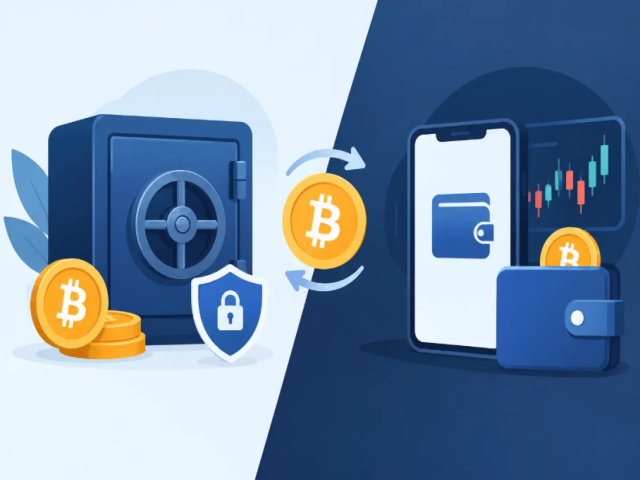
Crypto Custody Versus Exchange Wallets Explained
19 Sep 2026
-

AI Investing: A Smarter Way to Build Wealth
14 Sep 2026
-

How to Set Investment Goals That Fit Your Life
14 Sep 2026