Crypto Custody Versus Exchange Wallets Explained
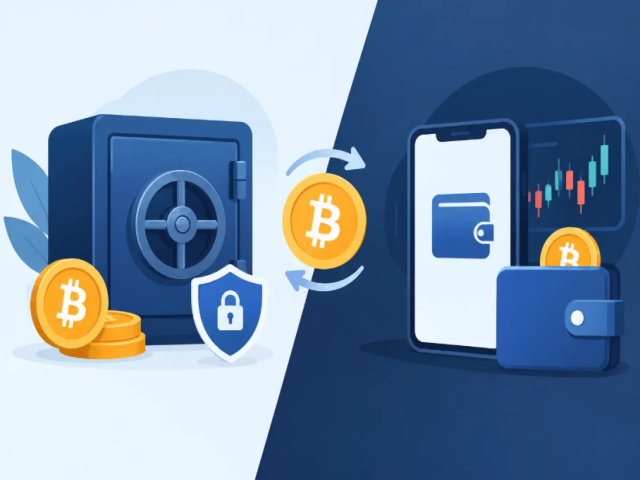
Compare crypto custody versus exchange wallets to choose the right balance of control, convenience, and protection for your digital assets with care.
A crypto transfer can take seconds, yet the decision behind where you keep your assets can shape your financial security for years. In the discussion of crypto custody versus exchange wallets, the real question is not which option sounds more advanced. It is who controls the keys, who carries the operational responsibility, and how quickly you may need access to your funds.
For investors building wealth through digital assets, the right answer depends on purpose. You may want fast access to trade, a secure place to hold long-term value, or a practical way to fund a managed investment account. Each goal calls for a different level of control and convenience.
What Crypto Custody and Exchange Wallets Really Mean
A wallet does not physically hold cryptocurrency. It holds the credentials that allow a person or service to authorize transactions on the blockchain. The most critical credential is the private key or recovery phrase. Whoever can use that key can generally move the assets.
An exchange wallet is the wallet balance connected to an exchange account. In most cases, the exchange controls the private keys while you access the account through an email address, password, identity checks, and security settings. This is known as custodial storage.
Crypto custody is a broader term. It can describe a specialized third-party custodian that safeguards assets for clients, or it can refer to self-custody, where you personally control the private keys. That distinction matters because an exchange wallet is usually one form of third-party custody, but it is designed primarily for trading access rather than long-term safekeeping.
Control comes with responsibility
With self-custody, you have direct authority over your crypto. No exchange can freeze your wallet because it is reviewing an account, and no company needs to approve a transfer. That independence can be valuable for long-term holders who want direct ownership.
The trade-off is personal responsibility. If you lose your recovery phrase, send funds to the wrong network, or fall for a phishing attempt, there may be no support team capable of restoring access. Self-custody gives you control, but it also puts you in charge of every security decision.
With an exchange wallet, the provider manages key storage and transaction infrastructure. That can feel simpler, especially for newer investors. However, you are trusting the exchange to protect its systems, maintain liquidity, follow sound operating practices, and preserve access to your account.
Why Exchange Wallets Are Useful
Exchange wallets solve a real problem: they reduce friction. You can buy, sell, convert, and transfer supported assets without managing a private key on day one. For someone making smaller purchases or learning how crypto markets work, that convenience can be useful.
They can also support account recovery processes. If you forget a password, a reputable provider may let you recover access after identity verification. That is a meaningful advantage over a lost self-custody recovery phrase, which can permanently cut off access to funds.
For active market participants, an exchange wallet may be appropriate for capital intended for near-term transactions. If you plan to convert assets, rebalance positions, or send a crypto deposit to a verified investment account, keeping only the amount needed for that activity on an exchange can make sense.
Convenience, however, should not be confused with zero risk. An exchange wallet introduces counterparty risk. Your ability to access funds depends partly on the provider's systems, policies, and financial health. Accounts may also be affected by security reviews, withdrawal limits, technical outages, or regional compliance rules.
Why Dedicated Crypto Custody Appeals to Long-Term Investors
Dedicated custody services are built around safeguarding assets, often with stronger operational controls than a trading-focused exchange wallet. Depending on the provider and structure, these controls may include segregated accounts, multi-approval withdrawal processes, offline key storage, insurance arrangements, audit trails, and institutional reporting.
For entity-based investors, family offices, and investors holding meaningful balances, these features can help create discipline. A business, for example, may not want one employee to have unilateral authority to move digital assets. Multi-party approval can help reduce internal error and unauthorized transactions.
Self-custody can serve a similar long-term purpose for individuals who are ready to handle the process carefully. A hardware wallet stored securely offline reduces exposure to online account attacks. But it also requires a clear recovery plan. A recovery phrase should never be stored casually in a photo app, email draft, cloud folder, or text message.
Crypto custody is not automatically better because it sounds more secure. The quality of the provider, your own security habits, the amount held, and your need for liquidity all matter. A well-run exchange account with strong account protections may be practical for a modest working balance. A large, long-term allocation deserves a more deliberate custody plan.
The Risks That Matter Most
Market risk exists no matter where the crypto is stored. Bitcoin, Ethereum, stablecoins, and other digital assets can move sharply in value. Your wallet choice protects access to assets, not their market price.
The key risks differ by setup. With self-custody, the biggest concerns are lost recovery phrases, theft, fraudulent wallet approvals, and sending assets incorrectly. With exchange wallets, the biggest concerns include account takeover, phishing, platform outages, withdrawal restrictions, and reliance on a third party.
There is also a common risk across both approaches: rushing. Fraudsters often create urgency by claiming that an account needs immediate verification or that a transfer must happen before an opportunity disappears. Legitimate financial decisions deserve a pause. Verify every address, every network, and every request through trusted channels before you act.
Choosing Based on Your Investment Goal
Think about crypto storage in layers rather than treating it as an all-or-nothing choice. Assets needed for a planned transaction can remain accessible in an exchange wallet. Assets intended for long-term holding may be better suited to self-custody or a dedicated custodial arrangement. The balance should reflect what you can afford to manage safely.
If your priority is convenience, an exchange wallet with a unique password, app-based multi-factor authentication, withdrawal address controls, and account alerts can be a reasonable starting point. Avoid relying on text-message verification alone when stronger authentication is available.
If your priority is direct ownership, self-custody may fit better. Start with a small amount, learn the backup and recovery process, and make a test transaction before moving a larger balance. Independence is most valuable when it is supported by good habits.
If your priority is professionally managed exposure, separate the assets you hold personally from the assets you intend to allocate. A managed investment service can reduce the time required to monitor markets and execute strategies, but it does not remove the need to understand where your funds are held, how deposits and withdrawals work, and what risks apply.
Sending Crypto to an Investment Platform Safely
When funding an online investment account with crypto, your first protection is verification. Only use the deposit address shown inside the authenticated account area. Do not accept a wallet address sent through an unsolicited message, social media post, or unexpected email.
Before transferring a meaningful amount, follow a disciplined process:
- Confirm that the asset and blockchain network match exactly on both the sending and receiving side.
- Send a small test amount first and wait for the required confirmations.
- Review the full wallet address, not just the first and last characters.
- Keep transaction records, including the amount, date, network, and transaction ID.
- Turn on account alerts and multi-factor authentication before making deposits or requesting withdrawals.
A legitimate investment relationship should provide clarity around account access, transaction history, withdrawal procedures, fees, and the risks associated with the investment program. Transparency is not a bonus feature. It is part of making informed decisions about your financial well-being.
Make the Next Transfer Deliberate
The best storage arrangement is the one that matches your purpose and that you can operate confidently. Keep active funds accessible, protect long-term holdings with stronger controls, and never let urgency decide where your assets go. A careful first transfer builds the habits that support more confident investing over time.
Recent Posts
-

When Should Portfolios Rebalance for Growth?
08 Oct 2026
-
Platform Security Review for Confident Investors
08 Oct 2026
-

How to Invest Business Cash Reserves Wisely
08 Oct 2026
-

How to Calculate Compound Returns on Investments
08 Oct 2026
-

Alternative Assets Trends Reshaping Portfolios
08 Oct 2026
-

How to Read Portfolio Drawdowns With Confidence
06 Oct 2026
-
-
Are Investment Platforms Regulated in the US?
06 Oct 2026
-

How to Diversify Income Streams With Purpose
06 Oct 2026
-
Crypto Custody Service Review for Investors
06 Oct 2026
-

A Small Business Cash Reserve Example That Works
23 Sep 2026
-

Retirement Planning That Builds Real Flexibility
23 Sep 2026
-

Stocks Versus Bonds Allocation for Your Goals
23 Sep 2026
-

15 Best Investor Due Diligence Questions
23 Sep 2026
-

15 Best Investor Due Diligence Questions
23 Sep 2026