Are Investment Platforms Regulated in the US?
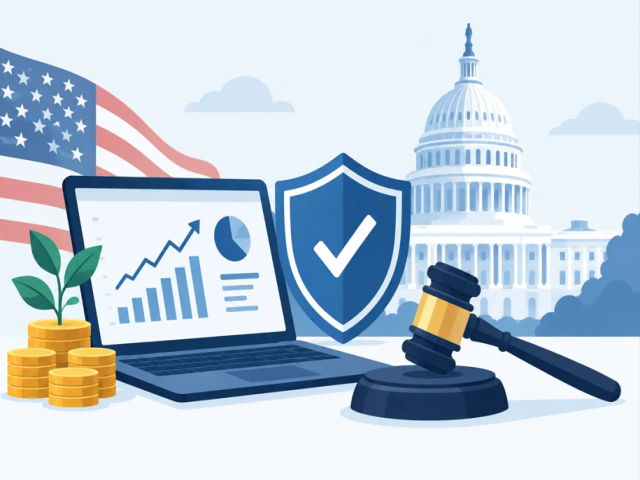
Are investment platforms regulated? Learn who regulates them, what protections apply, and how to evaluate an investment provider before funding an account.
The question “are investment platforms regulated” matters most at the moment you are ready to deposit funds. A polished dashboard, market charts, and promises of managed growth can be useful features, but they do not prove that a provider is authorized to handle investments. Before pursuing passive income through stocks, currencies, crypto, commodities, or other markets, understand who operates the platform, what activity they are permitted to conduct, and which protections actually apply to your money.
Regulation is not a barrier to opportunity. It is part of building a more informed, confident investment experience. It helps investors distinguish between a platform that is transparent about its role and one that relies on vague claims when asked direct questions.
Are Investment Platforms Regulated? It Depends on Their Role
Many investment platforms operate within regulated financial systems, but there is no single rule that covers every platform in the same way. Regulation depends on the services offered, the assets involved, where the company is based, and where its clients live.
In the United States, a platform that buys or sells securities for customers may need to be registered as a broker-dealer. A business that provides investment advice or manages client portfolios may be required to register as an investment adviser, depending on its size and structure. Firms that hold customer cash or securities may also face custody, reporting, capital, and recordkeeping obligations.
That said, “investment platform” is a broad label. It can describe an online brokerage, a robo-adviser, a managed account service, a crypto exchange, a copy-trading product, a private investment offering, or a company that provides access to third-party managers. Each model can fall under different rules.
For example, securities such as stocks, bonds, exchange-traded funds, and many investment contracts are generally subject to federal and state securities laws. Futures and certain commodities activity may fall under a different regulatory framework. Cryptocurrency services may be subject to money-transmission rules, anti-money-laundering requirements, state-level licensing, securities rules, commodities rules, or a combination of these. The classification of a specific digital asset and the services surrounding it can change the analysis.
The practical lesson is simple: do not assume that one registration, one logo, or one general statement about compliance covers every product on a platform.
Who May Oversee an Online Investment Provider?
For US investors, the Securities and Exchange Commission, commonly called the SEC, oversees many aspects of the securities markets. The Financial Industry Regulatory Authority, or FINRA, supervises member broker-dealers. State securities regulators may oversee certain advisers, securities offerings, and sales activity within their states.
Other agencies may become relevant depending on the service. The Commodity Futures Trading Commission oversees US derivatives markets, while the National Futures Association performs important membership and compliance functions in the futures industry. FinCEN focuses on anti-money-laundering responsibilities for certain financial businesses. State banking and financial-services departments can also play a role, particularly for money transmission and digital-asset activity.
International platforms add another layer. A company may be incorporated in one country, use service providers in another, and market to investors across the globe. Being registered abroad does not automatically mean it is authorized to solicit or serve US investors. Likewise, a company’s registration in the US does not mean every international product it promotes is available or appropriate in every jurisdiction.
A credible platform should be able to explain its legal entity name, business address, applicable registrations or licenses, and the exact services those registrations cover. Clear answers are a sign of operational maturity. Evasive answers deserve caution.
Registration Is Valuable, but It Is Not a Guarantee
Regulation can create standards for disclosures, supervision, customer communications, handling conflicts of interest, and financial reporting. It may give investors a route to file complaints or pursue formal remedies when a firm breaks the rules. These are meaningful protections.
But regulated does not mean risk-free, profitable, or insured against market losses. Markets move. A well-managed portfolio can still decline in value, and a strategy that performed strongly in one period may struggle in another. No legitimate regulatory status can turn an inherently uncertain market outcome into a certainty.
It is also essential to understand the difference between investment protection and deposit insurance. Bank deposit insurance does not usually protect investment losses. Brokerage protections may apply in specific situations involving the failure of a covered brokerage firm, but they do not cover a drop in the value of stocks, crypto assets, funds, or other investments. The details depend on the product, account structure, and provider.
For investors seeking managed exposure, this is where expectations matter. Professional analysis, ongoing market monitoring, and disciplined execution may save time and reduce the pressure of making every trading decision yourself. They do not remove the possibility of loss. A platform that speaks openly about both opportunity and risk is giving you a more useful basis for a decision.
How to Check Whether an Investment Platform Is Legitimate
A few minutes of verification can reveal far more than a marketing page. Start by identifying the precise company you would be contracting with, not just the brand name displayed on the website. Some businesses use trade names, affiliates, or third-party custodians, so the underlying legal entity matters.
Then review the platform’s disclosures. You should be able to find an explanation of its business model, how it earns money, what assets it offers, who makes investment decisions, and whether client assets are held by the company or an outside custodian. If a manager charges a share of generated profits, ask how profits are calculated, when fees are assessed, whether losses are carried forward, and what other costs may apply.
Look closely at withdrawal rules. A responsible provider states how withdrawals work, the expected processing timeframe, minimums, potential network or transaction fees, and any conditions that limit access to funds. Automatic deposit and withdrawal tools can be convenient, but convenience should never replace an understanding of the terms.
You should also confirm the company’s registration claims through the appropriate official public records. Search using the legal entity name, not only the brand name. Check whether the firm’s stated location, registration details, and listed business activities align with the service it is offering. If the provider says it works with a regulated custodian, broker, or exchange, clarify which entity performs that function and what protection applies to your particular account.
Finally, read the risk disclosures rather than skipping to projected returns. Be cautious with phrases such as “guaranteed profit,” “no risk,” “fixed daily return,” or pressure to deposit immediately. High returns can be possible in financial markets, but higher potential returns normally come with higher uncertainty. A trustworthy investment decision has room for questions.
Questions Worth Asking Before You Fund an Account
Before you commit capital, ask the platform how client funds are segregated from operating funds, who has custody of assets, and what happens if the company becomes insolvent. Ask whether you own the underlying assets directly, hold a contractual claim, or participate in a pooled strategy.
Ask how performance is presented. Is it net of all fees? Is it audited or independently verified? Does the displayed history show losing periods as well as winning periods? Transparent reporting should make it possible to see deposits, withdrawals, fees, open positions where applicable, and portfolio value without confusing calculations.
If you are using crypto to fund an investment account, confirm the wallet process, asset conversion method, transaction confirmations required, and whether withdrawals are returned in crypto, fiat currency, or both. Crypto transfers are often irreversible, so verifying the destination and the exact terms before sending funds is essential.
Your personal situation matters as well. Capital reserved for rent, taxes, emergency savings, or near-term obligations is not a good candidate for market risk. A measured starting amount can help you evaluate a platform’s reporting, support, and withdrawal process before committing more capital. For entity investors, documented authorization, accounting treatment, and tax advice should be part of the process.
Build Opportunity on Verifiable Information
Managed investing can make global markets more accessible for people who do not want to monitor price movements all day. The right service can offer portfolio visibility, expert-led decision-making, and a practical path toward long-term financial goals. Those benefits are strongest when they are paired with clear disclosures and realistic expectations.
Regulation is one piece of due diligence, not the entire decision. Verify the provider, understand the investment structure, read the terms that govern your funds, and invest only at a level that fits your financial well-being. Confidence should come from facts you can check, not from urgency you are asked to feel.
Recent Posts
-

-

Liquidity Planning for Investors That Works
26 Oct 2026
-

Can Entities Invest? A Practical Path to Growth
26 Oct 2026
-

-

High Yield Savings Versus Investing: Which Fits?
26 Oct 2026
-

Guide to Economic Indicators for Investors
22 Oct 2026
-

Retirement Portfolio Diversification Example
22 Oct 2026
-

When Portfolios Rebalance and Why It Matters
22 Oct 2026
-

How to Rebalance a Multi Asset Portfolio
22 Oct 2026
-
How to Protect Investment Accounts From Fraud
22 Oct 2026
-

What Is Investment Liquidity and Why It Matters
20 Oct 2026
-

How to Set Financial Goals That Build Wealth
20 Oct 2026
-

Robo Advisors Versus Brokers for Your Goals
20 Oct 2026
-

-