Retail Trust Management Guide for Investors

Use this retail trust management guide to evaluate managed investing, align goals, review transparency, and make confident choices with your capital today.
A managed investment account should give you more than a place to deposit funds. It should give you visibility, a clear process, and confidence that your capital is being handled with care. This retail trust management guide helps you evaluate what that relationship should look like before you commit funds to a managed market strategy.
For many investors, the appeal is straightforward: gain exposure to global markets without spending nights studying charts, tracking economic news, or placing every trade yourself. Managed investing can support passive-income goals and broader wealth plans, but convenience is only valuable when it is paired with clear expectations and responsible decision-making.
What Retail Trust Management Means
Retail trust management is the process of placing investment capital with a professional platform or management team that makes market decisions on your behalf within an agreed investment framework. The manager may allocate capital across equities, currencies, cryptocurrencies, indices, or commodities based on market conditions, research, and risk parameters.
The word trust matters because the arrangement depends on more than projected returns. You are trusting the platform's operating process, reporting standards, withdrawal procedures, security practices, and approach to risk. A credible relationship makes these areas understandable before you fund an account, not only after a strong month of performance.
For retail investors, this model can remove the pressure of active trading. You do not need to react to every price move or build a trading system from scratch. Instead, you select an investment timeframe and funding level that fit your objective, while the management team monitors markets and executes the strategy.
That does not mean the investor has no role. Your role shifts from daily trader to informed account owner. You still need to understand where your money is going, what can affect its value, and whether the program remains appropriate for your circumstances.
Start With the Goal, Not the Return Figure
A return figure can catch attention, especially when you are looking for a second income stream or a faster path toward a major purchase. But the first question is not, “What could I earn?” It is, “What is this money meant to do for me?”
Short-term capital may be intended for a planned expense, business cash flow, or a near-term financial goal. Long-term capital may be aimed at building wealth over several years. These goals call for different expectations around liquidity, volatility, and time commitment.
A practical starting point is to separate your funds into three categories: money you need soon, money reserved for emergencies, and capital you can invest for a defined period. Only the third category belongs in a market-based program where values can rise and fall. Even experienced managers cannot remove market risk, and past performance does not guarantee future results.
For an individual investor, this clarity prevents an avoidable mistake: choosing a longer program for an attractive target return, then needing to withdraw before the strategy has had time to work. For a business or legal entity, it helps distinguish operational cash from capital allocated for growth.
How to Evaluate a Retail Trust Management Platform
A polished dashboard is useful, but it is not proof of quality by itself. Look beneath the interface and examine how the platform communicates the terms of the investment relationship.
Understand the investment approach
Ask what markets the manager follows, how investment decisions are made, and whether the strategy is designed for short-, mid-, or long-term participation. A manager that trades currencies and crypto may face different price behavior than one focused primarily on large-cap equities or broad indices.
You do not need a technical education to ask direct questions. Find out whether the team uses fundamental research, technical analysis, continuous market monitoring, or a combination of methods. The answer will not predict every result, but it tells you whether there is an identifiable process behind the activity.
Diversification can reduce concentration risk, yet it does not eliminate losses. Exposure across several asset classes may create more opportunities, but it can also add complexity. The best fit depends on your time horizon, financial position, and comfort with changing market values.
Review fees and how profit sharing works
Compensation should be easy to understand. Some managers charge a recurring management fee, while others operate with a performance-based commission. A profit-sharing structure can align the manager's compensation with positive account results, but you should still understand exactly how profits are calculated, when commissions are applied, and whether there are other charges.
At Budrigantrade, the stated model centers on a 20% commission on generated profit. Before choosing any platform, review the applicable terms carefully and confirm how this structure affects your net return. The number that matters is not a headline performance claim. It is what remains in your account after any applicable commissions, costs, and withdrawals.
Check transparency before funding
Transparency is practical, not decorative. You should be able to see your account balance, deposits, withdrawals, active investment status, and relevant transaction history. Clear records help you track progress and make decisions based on facts rather than assumptions.
Also pay attention to how the platform explains withdrawal timing. Automatic withdrawal features can be convenient, but availability may depend on the investment plan, processing policies, verification requirements, or market conditions. Read those details in advance, especially if access to capital is a major priority.
Treat security as part of your return decision
A strong opportunity can be undermined by weak account protection. Use a unique password, enable available account-security features, and keep your verification information current. If you fund through cryptocurrency, confirm the wallet address carefully before sending funds. Crypto transfers are typically irreversible, so a simple address error can be costly.
Security also means protecting yourself from impersonators. Use official communication channels, be cautious with unsolicited messages, and never share account credentials or verification codes. A legitimate provider should not pressure you to make immediate decisions or ask you to bypass standard security steps.
Build a Funding Plan You Can Maintain
The most effective managed investing plan is usually one you can follow consistently. Rather than committing a large amount based on excitement, decide on a funding level that leaves your everyday finances stable. If your budget changes, reassess before adding more capital.
Regular deposits may help investors build exposure over time, particularly when markets move unpredictably. However, automatic deposits should match real cash flow, not an optimistic future budget. Review the amount periodically and adjust it if your income, business needs, or financial obligations change.
Keep an emergency reserve outside your investment program. This gives you more freedom to let longer-term capital remain invested when markets are unsettled. It also reduces the temptation to make decisions based on short-term fear.
Monitor Progress Without Chasing Every Market Move
One benefit of trust management is that you do not have to manage every trade. Constantly checking balances can still create unnecessary stress and encourage reactive choices. A better practice is to set a review schedule, such as monthly or quarterly, based on your investment timeframe.
During each review, consider whether your original goal still applies, whether your funding amount remains comfortable, and whether you understand the account activity shown in the platform. Focus on net results and consistency of reporting rather than judging a strategy from a single day or week.
Market volatility is normal across global assets. A period of decline does not automatically mean a strategy has failed, just as a rapid gain does not prove that risk has disappeared. The key is to judge the investment against the timeframe and risk level you accepted at the beginning.
Questions Worth Asking Before You Deposit
Before opening or expanding a managed account, make sure you can answer the following questions clearly:
- What is my investment objective and how long can this capital remain invested?
- Which asset classes may be used, and what risks can affect my account value?
- How are profits, commissions, deposits, and withdrawals calculated and recorded?
- What verification and security steps protect account access and transactions?
- What circumstances could delay withdrawal or change the availability of my funds?
If the answers are vague, pause and seek clarification. Confident investing is not about ignoring risk. It is about understanding the opportunity well enough to make a decision that fits your financial life.
A carefully chosen managed program can give you access to active market participation while preserving your time for work, family, and the goals that matter beyond a trading screen. Start with an amount and timeframe you can genuinely support, keep your account records visible, and let a clear plan guide each next decision.
Recent Posts
-

How to Read Portfolio Drawdowns With Confidence
06 Oct 2026
-
-
Are Investment Platforms Regulated in the US?
06 Oct 2026
-

How to Diversify Income Streams With Purpose
06 Oct 2026
-
Crypto Custody Service Review for Investors
06 Oct 2026
-

A Small Business Cash Reserve Example That Works
23 Sep 2026
-

Retirement Planning That Builds Real Flexibility
23 Sep 2026
-

Stocks Versus Bonds Allocation for Your Goals
23 Sep 2026
-

15 Best Investor Due Diligence Questions
23 Sep 2026
-

15 Best Investor Due Diligence Questions
23 Sep 2026
-
Investment Platform Security Review Made Simple
19 Sep 2026
-

Best Portfolio Rebalancing for Lasting Growth
19 Sep 2026
-
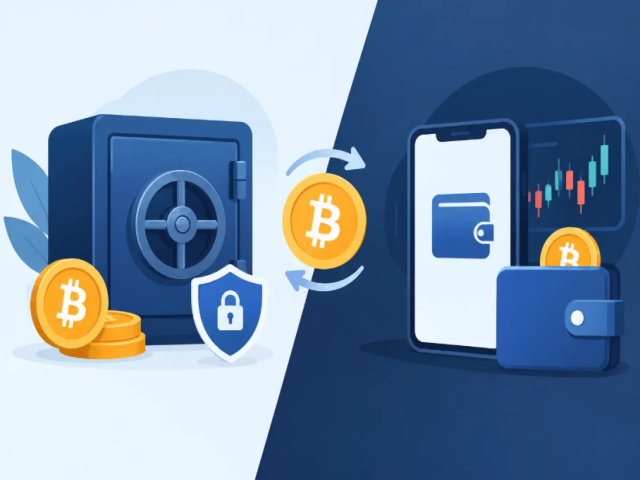
Crypto Custody Versus Exchange Wallets Explained
19 Sep 2026
-

AI Investing: A Smarter Way to Build Wealth
14 Sep 2026
-

How to Set Investment Goals That Fit Your Life
14 Sep 2026