How Analyst Monitored Portfolios Build Strategy

See how analyst monitored portfolios pair 24/7 market attention with clear goals, diversified exposure, and convenient hands-off investing for you today.
A portfolio can look calm on a screen while global markets are moving fast behind it. Currency policy changes, earnings reports, commodity shocks, and crypto volatility can all change the conditions around an investment position within hours. Analyst monitored portfolios are designed for investors who want exposure to those opportunities without spending their own days watching charts, reading economic releases, or placing trades.
For people focused on passive income and long-term financial well-being, the appeal is straightforward: qualified market oversight can turn a scattered collection of investments into a strategy with purpose. The investor keeps visibility and control over their account, while analysts monitor conditions and make decisions within the portfolio’s stated approach.
What Are Analyst Monitored Portfolios?
Analyst monitored portfolios are managed investment allocations reviewed by market professionals on an ongoing basis. Rather than leaving every decision to an investor, the portfolio is observed for market changes, risk signals, trend shifts, and opportunities across selected asset classes.
That oversight may include equities, foreign currencies, indices, commodities, and digital assets. The exact mix depends on the investor’s objectives, time horizon, and tolerance for market movement. A shorter-term plan may prioritize more active opportunities and liquidity, while a longer-term plan may focus more heavily on compounding potential and broader diversification.
The central value is not simply having someone buy and sell assets. It is having a defined process behind those decisions. Analysts can combine fundamental research, technical market signals, position sizing, and regular performance review to keep the portfolio aligned with its intended direction.
For an investor with a demanding job, a growing business, or limited trading experience, that structure can remove a major barrier to market participation. You do not need to become a full-time trader to build exposure to global financial markets.
Why 24/7 Monitoring Can Change the Experience
Markets do not all operate on the same schedule. Major news can break after US trading hours. Foreign exchange trades around the clock during the business week. Cryptocurrency markets remain active every day, including weekends and holidays. A portfolio that receives regular attention is better positioned to respond when conditions change outside an investor’s normal routine.
This does not mean every price movement requires action. Frequent trading for its own sake can create costs, noise, and unnecessary risk. Effective monitoring means distinguishing between ordinary volatility and meaningful changes that may justify a portfolio adjustment.
For example, a temporary dip in a quality equity position may not alter a long-term thesis. On the other hand, a major earnings miss, a policy surprise, or a technical breakdown across an entire sector may call for reassessment. The difference comes from disciplined analysis instead of emotional reaction.
That is especially valuable for investors who have experienced the stress of managing positions alone. Checking a portfolio constantly can lead to impulsive decisions. Ignoring it entirely can leave you unaware of shifts that matter. Analyst oversight creates a middle ground: active market attention without requiring active personal trading.
The Building Blocks of a Monitored Strategy
A strong managed portfolio begins with the investor’s goal, not with a random asset pick. Someone seeking funds for a large purchase in the near future may need a different approach than someone building wealth over several years. An entity investor may also have cash-flow priorities that differ from an individual investor’s personal goals.
From there, portfolio construction usually considers diversification. Holding exposure across different markets can reduce dependence on a single asset, sector, or economic outcome. Diversification cannot eliminate losses, and assets can decline together during periods of broad market stress. Still, spreading capital with intention can help prevent one position from defining the full result.
Analysts also consider timing and position size. Even a promising market idea can create problems if too much capital is committed at the wrong point. A monitored approach uses ongoing review to assess whether exposure remains appropriate as the market develops.
At Budrigantrade, this type of approach is built around accessible managed exposure for investors who want market participation without handling every trading task themselves. The focus is on making portfolio activity easier to follow while professional monitoring supports the strategy in the background.
Fundamental Analysis: Understanding the Bigger Picture
Fundamental analysis looks at the forces that can influence an asset’s value over time. For stocks, that may include revenue, earnings, industry conditions, management decisions, and economic trends. For currencies, interest-rate expectations, inflation, and central bank policy can carry significant weight. Commodities may respond to supply constraints, global demand, and geopolitical developments.
This perspective helps analysts ask a critical question: is a move driven by a temporary headline, or does it reflect a deeper shift in market conditions? The answer can shape whether a position is maintained, reduced, or reconsidered.
Technical Analysis: Reading Market Behavior
Technical analysis focuses on price action, market trends, momentum, volume, and potential support or resistance levels. It does not predict the future with certainty. Instead, it gives analysts another way to assess entry points, exit decisions, and risk levels.
When fundamental and technical signals point in the same direction, the case for a trade may be stronger. When they conflict, a disciplined manager may reduce exposure or wait for more clarity. That patience matters. Not every market movement deserves capital.
Visibility Matters as Much as Expertise
Handing over day-to-day management should not mean losing sight of your money. Investors need a clear view of their balance, portfolio activity, deposits, withdrawals, and available options. Transparency turns managed investing from a black box into a service the client can understand and monitor.
A simple platform experience is particularly useful for beginners. Complex trading terminals can make investing feel reserved for specialists. Clear account tools, visible performance information, and straightforward funding options allow more people to participate with confidence.
Convenience also has practical value. Automatic deposits can support consistent investing habits, while efficient withdrawal processes give clients access to funds when their plan allows. Crypto funding can add flexibility for investors who already use digital assets, though they should understand the transaction process and market considerations before transferring capital.
The goal is not to make investing feel casual. It is to make a serious financial activity easier to manage. Investors should still review program terms, understand how returns and commissions are calculated, and choose an investment amount that fits their overall financial situation.
What Analyst Oversight Does Not Remove
Professional monitoring can improve discipline and provide access to research, but it does not remove market risk. No portfolio can guarantee a profit, avoid every loss, or perform the same way in every market environment. Equities, currencies, commodities, indices, and cryptocurrencies each carry their own risks, and more volatile assets can experience sharp price changes.
Results also depend on the selected program and time horizon. A short-term strategy may face more frequent market fluctuations. A longer-term strategy may require patience during periods when markets move against the broader plan. The right choice depends on your liquidity needs, financial objectives, and comfort with uncertainty.
This is why a responsible investor avoids committing money needed for immediate expenses, high-interest debt payments, or emergency needs. Managed investing works best when it is part of a larger financial plan, not a substitute for one.
Choosing a Portfolio That Fits Your Goals
Before selecting a managed option, begin with a few honest questions. What is the purpose of this capital? How long can it remain invested? Do you need regular access to the funds? How would you react if the account value moved lower before recovering?
Your answers should guide the time horizon and level of exposure you choose. Investors seeking flexibility may favor programs designed around shorter commitments. Those focused on long-term wealth accumulation may be more comfortable allowing a strategy time to develop. Neither approach is automatically better. The right fit is the one that matches your real financial life.
Analyst monitored portfolios give everyday investors a practical way to pursue global market opportunity with professional attention behind the scenes. Start with a clear goal, use capital you can invest responsibly, and let a disciplined strategy do the work that constant screen-watching never should.
Recent Posts
-
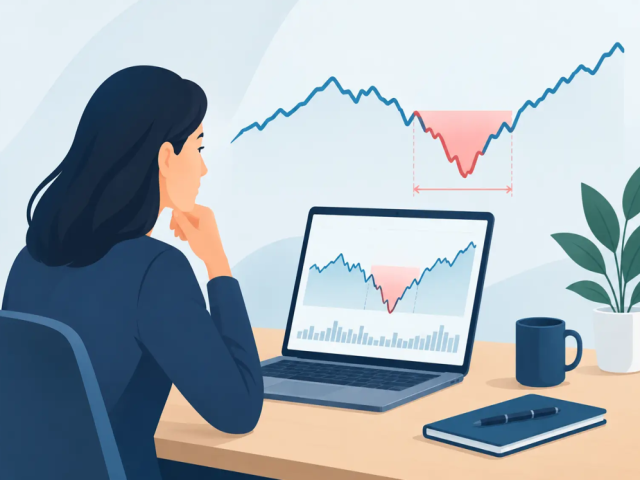
How to Read Portfolio Drawdowns With Confidence
06 Oct 2026
-
-

Are Investment Platforms Regulated in the US?
06 Oct 2026
-

How to Diversify Income Streams With Purpose
06 Oct 2026
-
Crypto Custody Service Review for Investors
06 Oct 2026
-

A Small Business Cash Reserve Example That Works
23 Sep 2026
-

Retirement Planning That Builds Real Flexibility
23 Sep 2026
-
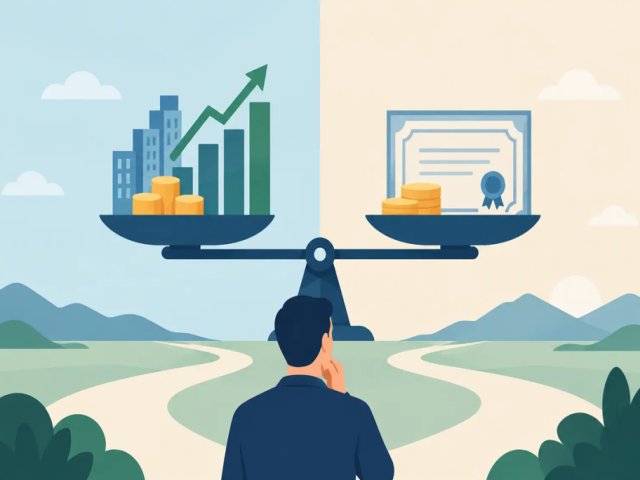
Stocks Versus Bonds Allocation for Your Goals
23 Sep 2026
-

15 Best Investor Due Diligence Questions
23 Sep 2026
-

15 Best Investor Due Diligence Questions
23 Sep 2026
-
Investment Platform Security Review Made Simple
19 Sep 2026
-
Best Portfolio Rebalancing for Lasting Growth
19 Sep 2026
-
Crypto Custody Versus Exchange Wallets Explained
19 Sep 2026
-

AI Investing: A Smarter Way to Build Wealth
14 Sep 2026
-

How to Set Investment Goals That Fit Your Life
14 Sep 2026