Crypto Investment Dashboard Review Checklist
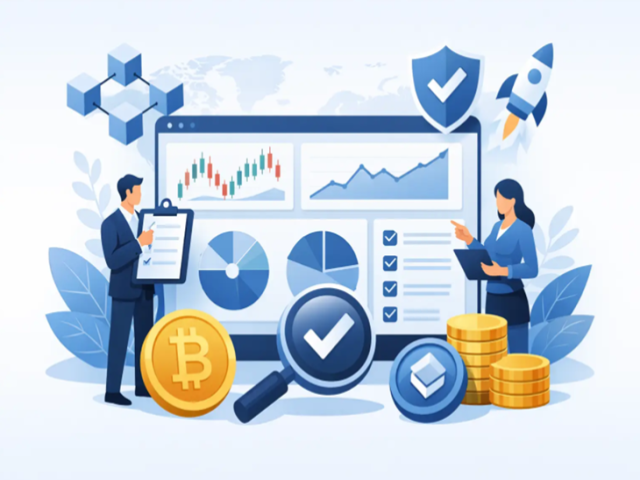
Read this crypto investment dashboard review to see which portfolio, security, performance, and withdrawal details matter before funding an online account.
A polished homepage can create confidence. Your investment dashboard is where that confidence should be tested. This crypto investment dashboard review explains what a serious investor should look for after opening an account and before adding more capital. For anyone seeking passive income through professionally managed market exposure, visibility is not a bonus feature. It is part of making informed financial decisions.
A dashboard should turn complex activity across crypto and other markets into a clear picture: what you deposited, what is currently allocated, how performance has changed, and what happens when you request a withdrawal. The right platform makes this information easy to find without forcing you to become a full-time trader.
What a Crypto Investment Dashboard Should Show
The strongest dashboards answer straightforward questions quickly. How much have you funded? What is your current balance? How much of the balance is profit or loss? Is the money active in a program, available to withdraw, or awaiting processing?
Look for a clean account overview that separates your original deposit from generated results. If a platform offers short-, mid-, and long-term investment programs, the dashboard should also show the term you selected, the start date, the expected maturity or review date, and the status of each position. This matters because short-term cash-flow goals and long-term wealth-building goals require different levels of access to capital.
For crypto-funded accounts, transaction records deserve the same attention as performance figures. A useful dashboard displays the asset used for funding, the amount received, the transaction date, and the confirmation status. When deposits or withdrawals are automated, status updates can reduce uncertainty and help you plan your next move.
Clarity does not mean a screen filled with charts. Too much market data can distract from the decisions that matter. For a managed investor, the most valuable view is one that connects market activity to your account value in plain language.
Review Performance Without Chasing a Number
Performance is naturally the first figure many investors look for. It should not be the only one. A dashboard can show a positive result over a short period while still leaving important questions unanswered about the investment approach, timing, and risk involved.
A credible performance section provides dates, account-level figures, and a readable history rather than a single headline percentage. Review whether gains and losses are recorded consistently. Check whether the platform distinguishes realized profit from open positions whose value can still move with the market. In crypto markets especially, prices can change sharply within hours.
You should also understand how profit sharing works before committing funds. When a managed platform charges a percentage of generated profit, as opposed to a flat advisory fee, the dashboard should make the calculation visible. Investors need to see when the commission applies, how it is calculated, and what amount remains in their account after the charge.
No dashboard can remove market risk or guarantee a future result. What it can do is give you enough context to avoid making decisions based on excitement, fear, or a single strong week. Treat displayed performance as information to review alongside program terms and your own financial goals.
Useful performance details include
- Your starting balance, current balance, and net change over a selected period
- A dated record of deposits, profits, commission deductions, and withdrawals
- Separate views for active programs and funds available for withdrawal
- Clear labels explaining whether amounts are estimated, realized, pending, or completed
- Historical reporting that lets you assess consistency rather than isolated results
- Security and Account Control Matter as Much as Growth
An investment dashboard holds sensitive financial information. The best design is not merely attractive. It gives account holders meaningful control over access and movement of funds.
Start with the basics: secure login protections, account verification, and clear alerts for significant actions. If you change a withdrawal address, update personal details, or initiate a transaction, the platform should document that action and show its status. These records help investors keep an accurate account history and identify activity that does not look familiar.
It is also worth reviewing the platform's communication standards. When a deposit is pending, a withdrawal is processing, or a program has reached its stated term, you should not have to guess what happens next. Straightforward notifications and a visible transaction log support the kind of trust that online investing requires.
Convenience and control sometimes pull in different directions. Automatic funding and withdrawal processes can save time, but investors should still understand the available settings, processing requirements, and any limitations attached to a particular program. Fast access is valuable. Clear rules are more valuable.
A Dashboard Should Match How You Invest
The right dashboard depends on your purpose for investing. A working professional building supplemental income may prioritize a simple earnings view and scheduled access to funds. A small business investor may need a clearer record of multiple deposits, account activity, and longer investment timelines. A first-time crypto investor may care most about easy funding instructions and understandable status updates.
That is why one universal “best” dashboard does not exist. A high-frequency trader needs real-time charts, order books, and advanced execution tools. Someone using a managed investment service needs a different experience: organized portfolio visibility, transparent activity, and less day-to-day trading pressure.
Budrigantrade is built around that second model. Its account experience is designed for investors who want managed exposure to global markets without personally tracking every market move. The goal is to make portfolio activity visible while professional market monitoring and trading execution remain in the background.
Before choosing any platform, decide what role the account should play in your broader financial life. Capital needed for near-term bills, emergency reserves, or essential obligations should not be treated the same as money set aside for a longer investment horizon. A dashboard can organize your portfolio, but it cannot decide your risk tolerance for you.
Questions to Ask During Your Review
A quick review becomes more useful when you test the dashboard as if you were already using it. Can you find your full transaction history without contacting support? Can you tell the difference between account value and withdrawable balance? Are program terms presented beside your active investment rather than hidden elsewhere?
Also look at what happens after you take an action. A deposit request, a withdrawal request, and a profile update should each create a visible record. Strong platforms respect investors' time by making routine information available in the account area, not only through support messages.
Finally, check whether the dashboard helps you stay disciplined. A good platform does not need to encourage constant checking or impulsive decisions. It should provide enough information for you to review progress, understand your exposure, and decide whether your current plan still fits your objectives.
Financial well-being is built through clear goals, deliberate capital allocation, and consistent attention to what your money is doing. Choose a dashboard that makes those habits easier, then use it as a tool for informed oversight rather than a reason to react to every market movement.
Recent Posts
-
When Should Portfolios Rebalance for Growth?
08 Oct 2026
-
Platform Security Review for Confident Investors
08 Oct 2026
-

How to Invest Business Cash Reserves Wisely
08 Oct 2026
-
How to Calculate Compound Returns on Investments
08 Oct 2026
-
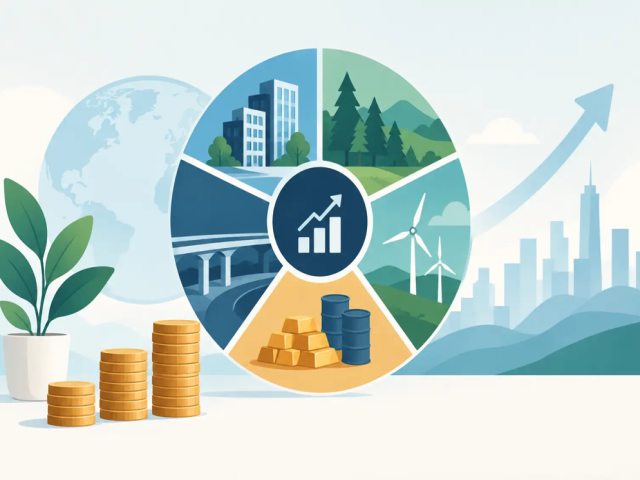
Alternative Assets Trends Reshaping Portfolios
08 Oct 2026
-
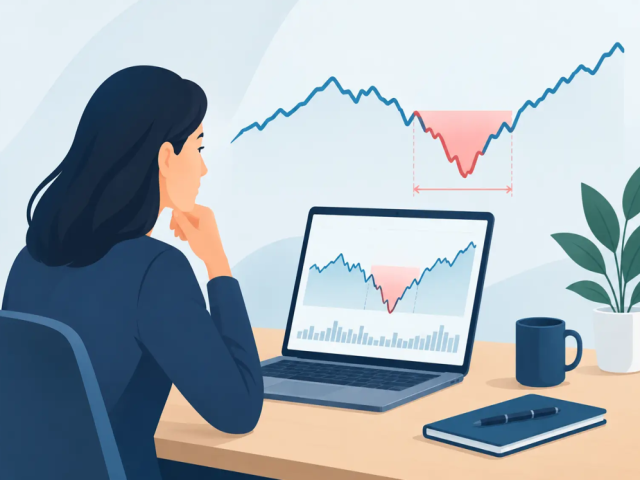
How to Read Portfolio Drawdowns With Confidence
06 Oct 2026
-
-
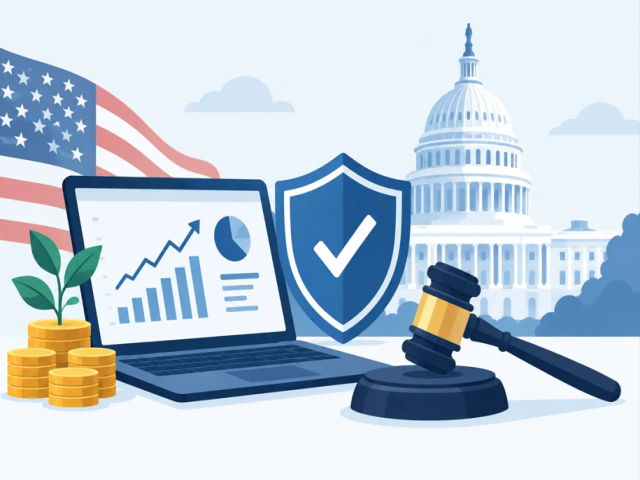
Are Investment Platforms Regulated in the US?
06 Oct 2026
-

How to Diversify Income Streams With Purpose
06 Oct 2026
-
Crypto Custody Service Review for Investors
06 Oct 2026
-

A Small Business Cash Reserve Example That Works
23 Sep 2026
-

Retirement Planning That Builds Real Flexibility
23 Sep 2026
-
Stocks Versus Bonds Allocation for Your Goals
23 Sep 2026
-

15 Best Investor Due Diligence Questions
23 Sep 2026
-

15 Best Investor Due Diligence Questions
23 Sep 2026