Crypto Funded Portfolio Review-What to Check
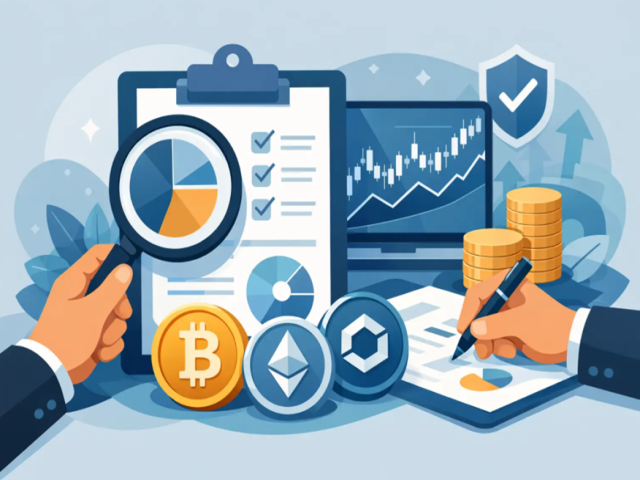
Use this crypto funded portfolio review to assess deposits, allocation, performance, withdrawal records, and risk before you commit capital with careful planning.
A crypto funded portfolio review should begin before you send assets, not after. Crypto can make funding fast and accessible, but the speed of a transaction should never replace clear thinking about where your capital is going, how it is being managed, and what you can realistically expect from the investment period.
For investors who want market exposure without spending every day watching charts, a managed portfolio can create a practical path toward passive income. The key is to review the full structure: the funding process, the investment strategy, how profits are calculated, the withdrawal terms, and the level of visibility you retain once your capital is active.
Start With the Purpose of Your Capital
Before reviewing a portfolio's numbers, identify what the money is meant to do for you. A short-term objective, such as building cash for a major purchase, calls for a different time horizon than long-term wealth growth or income diversification. Funding a portfolio with crypto does not change that basic principle.
Crypto assets can be volatile. The value of the asset you use to fund may move sharply between the time you decide to invest and the time the transaction is confirmed. Decide whether you are comfortable funding directly from a cryptocurrency holding or whether converting a portion of your holdings to a more stable funding asset better fits your plan.
Your funding amount should also be capital you can leave committed for the selected term. Even when a platform supports automatic withdrawals, investment performance and processing requirements may affect when funds are available. Do not fund an account with money reserved for rent, payroll, emergency needs, or high-interest debt payments.
What a Crypto Funded Portfolio Review Should Cover
A useful review looks beyond a headline return. Returns matter, but they only tell part of the story. You need to understand how the portfolio is positioned and whether its structure matches your risk tolerance.
Funding records and transaction confirmation
First, verify the transaction details. Review the wallet address, network used, amount sent, transaction ID, and confirmation status. A crypto transfer is generally irreversible, so accuracy before submission is essential. Keep a record of the transaction and note the dollar value of the crypto at the time you funded the account. This gives you a clean baseline for measuring performance later.
If you fund more than once, track each deposit separately. Multiple crypto deposits made at different market prices can affect your true cost basis. A clear deposit history also makes it easier to reconcile portfolio activity and prepare records for tax reporting.
Portfolio allocation and market exposure
A managed portfolio may seek opportunities across cryptocurrencies, equities, currency markets, indices, and commodities. That broader reach can reduce dependence on one market, but diversification does not eliminate risk. Each asset class responds differently to interest rates, economic data, geopolitical events, liquidity conditions, and investor sentiment.
Review the allocation with practical questions in mind. How much of your capital has direct crypto exposure? Is the portfolio concentrated in a small number of trades or spread across several market opportunities? Does the strategy favor shorter trading cycles, medium-term positions, or a longer investment approach?
There is no universally correct allocation. An investor seeking steady, long-range growth may prefer a different balance than someone pursuing shorter-term income opportunities. The right structure is the one you understand and can remain comfortable with when markets become uncertain.
Performance that can be understood
Portfolio performance should be visible in plain language. Look at the starting balance, current balance, realized profit, open positions, and any commission charged on profit. If the service earns a percentage of generated profit, confirm when that commission is applied and how it appears in your account history.
Do not judge a portfolio by one strong day or one difficult week. Financial markets move in cycles, and active management can involve periods when positions are held while analysts wait for higher-conviction conditions. Review performance over the time horizon you selected, while recognizing that past activity is not a guarantee of future results.
A transparent portfolio view should help you distinguish between completed results and unrealized changes in open positions. Unrealized gains can reverse before a trade closes. Unrealized losses can also improve if a position develops as planned. Seeing that difference helps you evaluate activity with more discipline and less emotion.
Risk controls and decision-making
Managed investing is not the same as risk-free investing. Any portfolio exposed to global markets can experience losses, and crypto-related funding adds its own price and network considerations. Your review should show whether the strategy uses diversification, position sizing, market monitoring, and defined trade management rather than relying on a single prediction.
Ask how the portfolio approach responds to volatility. A capable process does not claim to know every market move. It sets parameters, monitors changing conditions, and adjusts exposure when the evidence changes. For a passive investor, that ongoing attention can be valuable because it replaces the pressure of trying to react to every headline alone.
Budrigantrade positions this kind of service around analyst oversight, 24/7 market monitoring, and portfolio visibility, allowing clients to pursue managed market exposure without personally executing day-to-day trades. Even so, investors should review their account regularly and keep their own financial goals at the center of every decision.
Review Withdrawal Terms Before You Need Them
Many investors focus heavily on deposits and barely look at withdrawals until they want access to funds. That is backward. Withdrawal procedures are part of the investment experience and deserve the same attention as performance reports.
Understand the minimum withdrawal amount, processing window, supported crypto networks, potential network fees, and any verification steps required before a withdrawal is released. Confirm whether profits and principal follow the same withdrawal rules. If your plan has a set term, know whether early withdrawal is available and what effect it may have on your expected return or account status.
A dependable approach is to test the process with a modest amount when appropriate. This gives you firsthand experience with the workflow and helps you verify that your receiving wallet and network selection are correct. Never rush a withdrawal by choosing a network simply because its fee looks lower. The receiving wallet must support that exact network.
Use a Simple Monthly Review Rhythm
Passive income should not mean passive attention. You do not need to monitor charts all day, but a monthly review can keep your financial plan grounded in facts. Compare your current balance with your deposited capital, check realized and unrealized activity, confirm the status of open positions, and review any withdrawal or funding history from the period.
Keep your review focused on your goals instead of reacting to isolated market moves. If your circumstances have changed - perhaps you need more liquidity, your income has shifted, or your risk comfort has narrowed - adjust your investment plan accordingly. A portfolio that was appropriate six months ago may not be the right fit today.
It also helps to separate portfolio decisions from social media excitement. Crypto markets often generate loud predictions and emotional pressure to act immediately. A documented plan, regular account records, and a clear time horizon are usually more useful than chasing the latest market narrative.
Make Funding Part of a Bigger Financial Plan
Crypto funding can offer a flexible way to put existing digital assets to work in a managed portfolio. Its value comes from convenience and access, not from removing investment risk. The strongest review connects your deposit to a wider plan that includes emergency savings, debt obligations, tax awareness, diversification, and the amount of uncertainty you are prepared to accept.
Approach every funding decision with the confidence that comes from clarity, not urgency. When you can explain your goal, track your transaction, understand your portfolio exposure, and verify your withdrawal path, you are in a far better position to pursue financial well-being with intention.
Recent Posts
-

When Should Portfolios Rebalance for Growth?
08 Oct 2026
-
Platform Security Review for Confident Investors
08 Oct 2026
-

How to Invest Business Cash Reserves Wisely
08 Oct 2026
-
How to Calculate Compound Returns on Investments
08 Oct 2026
-

Alternative Assets Trends Reshaping Portfolios
08 Oct 2026
-

How to Read Portfolio Drawdowns With Confidence
06 Oct 2026
-
-
Are Investment Platforms Regulated in the US?
06 Oct 2026
-

How to Diversify Income Streams With Purpose
06 Oct 2026
-
Crypto Custody Service Review for Investors
06 Oct 2026
-

A Small Business Cash Reserve Example That Works
23 Sep 2026
-

Retirement Planning That Builds Real Flexibility
23 Sep 2026
-

Stocks Versus Bonds Allocation for Your Goals
23 Sep 2026
-

15 Best Investor Due Diligence Questions
23 Sep 2026
-

15 Best Investor Due Diligence Questions
23 Sep 2026