10 Feb 2026
Mortgage delinquencies rising amid mounting economic pressures
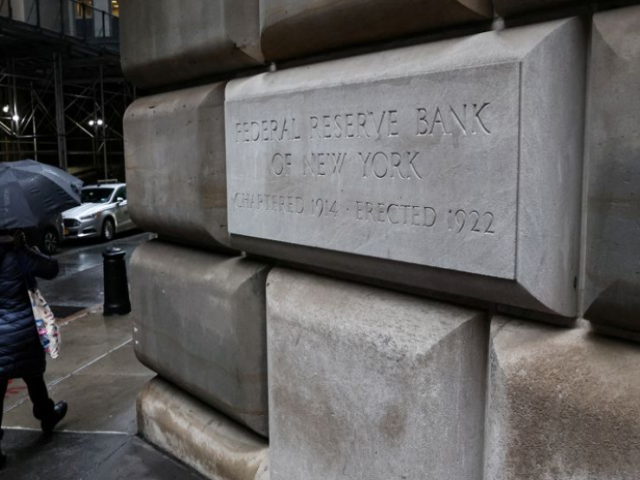
In the United States, credit issues have seen a slight uptick in the fourth quarter, particularly within certain segments of the mortgage market, as highlighted in a recent report from the New York Federal Reserve.
This increase is occurring against the backdrop of persistent challenges faced by student loan borrowers, which continue to be a significant concern for many households. The report, released on a Tuesday, provides a comprehensive overview of household debt trends and the state of the mortgage market.
According to economists at the New York Fed, while the overall delinquency rates for mortgages have risen, they still remain favorable when viewed through a historical lens. The report notes that "overall, mortgages continue to perform well by historical standards and have risen recently only after having reached artificially low levels during the COVID-19 pandemic."
Specifically, in the previous year, an average of 1.3% of mortgages fell into serious delinquency, a figure that closely mirrors the averages seen prior to the onset of the Great Recession nearly two decades ago. This indicates that, for many borrowers, mortgage obligations are still manageable.
However, the report also highlights a troubling trend: in lower-income neighborhoods and regions where labor markets or housing conditions are deteriorating, there is a noticeable increase in mortgage delinquencies.
This suggests that while the economy may be performing well on a macro level, significant disparities exist, particularly affecting those on the lower end of the income spectrum. Many individuals in these areas are grappling with the dual pressures of a slowing labor market and a rising cost of living, which are exacerbating their financial struggles.
In contrast, higher-income households appear to be weathering the economic landscape with relative ease. These households are bolstered by their investments in real estate, stocks, and other securities, which have appreciated in value over recent years.
Fed Chair Jerome Powell noted in a press conference following the central bank's policy meeting that "higher-income households ... tend to own real estate and tend to own stocks ... and securities, and those assets have been going up in value." The accumulation of wealth among these households supports their spending power, contributing positively to the overall economic expansion.
The disparity between income groups is further underscored by the fact that lower-income individuals are increasingly forced to "economize" their spending in response to economic pressures. The New York Fed's data indicates that the rate of mortgages transitioning into serious delinquency rose to 1.4% in the fourth quarter, an increase from 1.09% in the same period of 2024. This uptick highlights the growing financial strain on certain segments of the population.
Moreover, the report emphasizes the importance of monitoring these trends, as they can have broader implications for the economy. As mortgage delinquencies rise in specific areas, it may signal a need for targeted interventions to support vulnerable populations.
Policymakers and financial institutions may need to consider strategies that address the unique challenges faced by lower-income borrowers, such as offering more flexible repayment options or financial education programs to help them navigate their financial obligations.
In summary, while the overall credit landscape in the U.S. shows signs of stability, the growing divide between higher and lower-income households is a cause for concern. The challenges faced by those in lower-income brackets, particularly in light of rising mortgage delinquencies and a challenging economic environment, underscore the need for a nuanced approach to economic policy that prioritizes equity and support for all segments of the population.
As the economy continues to evolve, it will be crucial to ensure that the benefits of growth are shared more broadly, allowing all Americans to thrive.