08 Jan 2026
Asian Stocks Rise on U.S. jobs report, China Demand
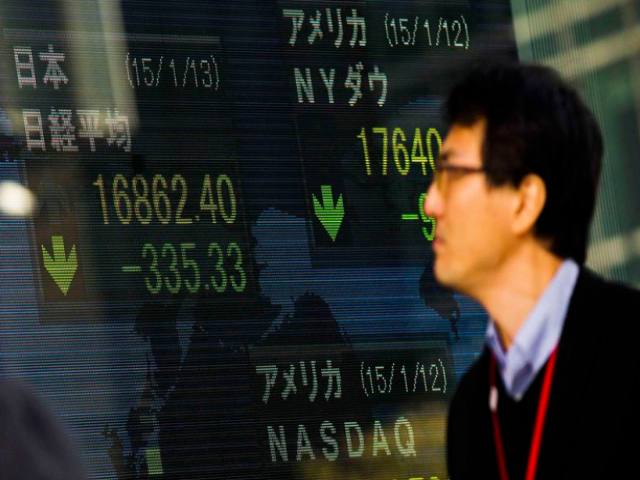
On Friday, most Asian stock markets experienced slight increases, reflecting a mixed outcome from Wall Street the previous evening. Investors remained cautious as they awaited crucial U.S. jobs data that could significantly influence expectations regarding potential interest rate cuts by the Federal Reserve.
On Thursday, U.S. stocks exhibited a mixed performance, with technology shares experiencing a decline after a period of recent gains. This downturn placed pressure on the Nasdaq index, while the Dow Jones Industrial Average and the S&P 500 remained relatively stable, showing little change overall. During the Asian trading hours on Friday, Wall Street index futures showed minimal movement, mirroring the hesitancy seen in Asian markets, where the technology sector led the losses.
In South Korea, the KOSPI index remained largely unchanged after reaching record highs earlier in the week, driven by gains in chipmakers. However, major players in the semiconductor industry, such as Samsung Electronics (KS:005930) and SK Hynix (KS:000660), saw their shares drop between 1.5% and 3%.
Meanwhile, Australia's S&P/ASX 200 index experienced a slight increase of 0.3%, while Singapore's Straits Times Index remained flat. Futures for India's Nifty 50 index also showed little change, indicating a wait-and-see approach among investors.
Conversely, Japanese equities outperformed their regional counterparts. The Nikkei 225 index rose by 1%, and the broader TOPIX index increased by 0.3%, buoyed by a weakening yen against the dollar. This currency depreciation is favorable for export-oriented companies, enhancing their competitiveness in international markets.
Looking ahead, investors were keenly focused on the U.S. nonfarm payrolls report scheduled for release later on Friday. This report is anticipated to provide deeper insights into the health of the world's largest economy and shape the Federal Reserve's policy outlook moving forward. A strong jobs report could bolster confidence in economic recovery, while a weaker report might prompt concerns about slowing growth and influence the Fed's decisions on interest rates.
In China, official data released on Friday revealed that consumer inflation reached its highest level in nearly three years, signaling tentative signs of improving demand within the economy. The consumer price index (CPI) rose by 0.8% year-on-year in December, marking the fastest pace of growth in approximately 34 months, with monthly prices increasing by 0.2%.
Concurrently, the easing of producer price deflation suggested some stabilization in factory-gate prices. These developments indicate that China may be approaching the end of a prolonged deflationary period that has adversely affected economic growth, squeezed corporate profits, and limited consumer spending.
The Shanghai Shenzhen CSI 300 index, which tracks the performance of the largest companies listed on the Shanghai and Shenzhen stock exchanges, is expected to react to these economic indicators as investors assess the implications for future growth and stability in the Chinese market.
Overall, the mixed performance across Asian markets reflects a complex interplay of local and global economic factors, with investors remaining vigilant as they navigate the uncertain landscape shaped by evolving economic data and geopolitical developments.