How to Protect Investment Accounts From Fraud
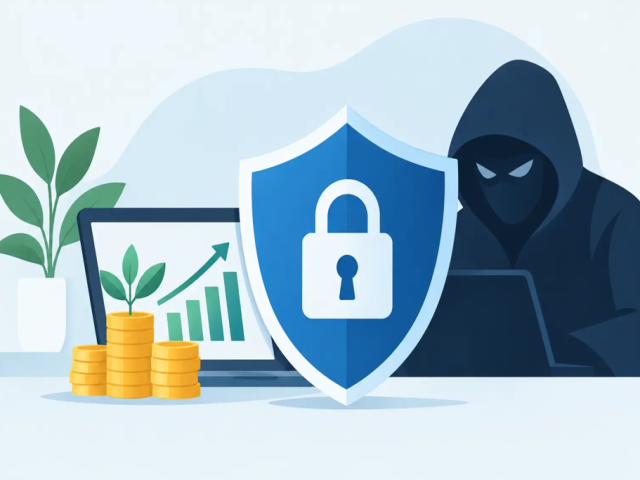
Learn how to protect investment accounts with stronger logins, verified withdrawal details, fraud awareness, and habits that keep your wealth in daily view.
A growing balance can attract the wrong kind of attention. Whether you hold stocks, crypto, currencies, commodities, or a managed portfolio, knowing how to protect investment accounts is part of protecting the financial future you are working to build. Markets carry risk, but account takeovers, phishing scams, and unauthorized withdrawals are risks you can actively reduce.
The goal is not to make investing complicated. It is to build a few reliable security habits around the account where your capital, returns, and personal information live. Strong access controls and regular review give you more confidence to pursue passive income without losing visibility over what matters.
How to Protect Investment Accounts at the Login Level
Your login is the front door to your investment account. A password that has been used for email, social media, online shopping, or another financial service creates an unnecessary opening. If one site suffers a breach, criminals often test those same credentials elsewhere.
Use a long, unique password for every financial account. A password manager can generate and store complex passwords so you do not have to rely on easy-to-guess phrases or reused details. A memorable password may feel convenient, but convenience is expensive when it is based on a birthday, business name, pet, or familiar word.
Turn on multi-factor authentication whenever it is available. This adds a second proof of identity, such as an authenticator app prompt, security key, or biometric check. Authenticator apps and hardware security keys are generally stronger choices than text-message codes, which can be exposed through SIM-swapping attacks. If a platform offers passkeys, they can also reduce the risk of stolen-password logins.
Protect the email address connected to your investment account with the same care. Your email is often the path to password resets, security alerts, and withdrawal confirmations. Use a separate, well-protected email address for financial activity if that makes account monitoring easier, and enable multi-factor authentication there too.
Treat Every Message as a Verification Task
Many account losses do not begin with a technical hack. They begin with a convincing message that creates urgency: a notice claiming your account is locked, a request to verify a withdrawal, or an offer that sounds too profitable to ignore.
Scammers can copy logos, write polished emails, and create websites that look nearly identical to legitimate platforms. They may contact you through text, social media, messaging apps, or a phone call that appears to come from customer support. Their advantage is pressure. Your advantage is slowing down.
Never sign in through a link sent in an unexpected message. Instead, open the official app or type the platform address directly into your browser. Do not share your password, multi-factor code, recovery phrase, private key, or remote access to your computer with anyone who contacts you first. Real support teams should not need your one-time authentication code to help you.
Be especially cautious when a message asks you to move funds quickly, change a wallet address, pay a fee to release a withdrawal, or send crypto to "verify" your account. Crypto transfers are generally irreversible. Once assets reach a scammer-controlled wallet, recovery can be extremely difficult or impossible.
Secure Withdrawals Before You Need Them
Deposits get attention, but withdrawal settings deserve equal care. A criminal who enters an investment account may try to change the destination bank account, payment card, or crypto wallet before you notice.
Review the withdrawal details saved on your account and remove any destination you do not recognize. Where available, use features such as withdrawal address allowlisting, a withdrawal lock, a cooling-off period after account changes, or a separate withdrawal PIN. These controls can create a valuable pause between a suspicious change and a completed transfer.
Keep your identity verification details current. If you ever need to recover access or stop an unauthorized transaction, accurate account information can make the process smoother. Use your legal name and maintain current contact information, but do not send identity documents through unverified email addresses or chat accounts.
For business or entity accounts, separate responsibilities instead of placing all authority in one login. One person may prepare a withdrawal while another approves it. This approach adds friction, but it also reduces the chance that a single compromised credential can move company funds without review.
Keep Your Devices and Connections Clean
Your account security is only as strong as the phone or computer you use to access it. Install operating system, browser, and app updates promptly. Updates often fix security weaknesses that criminals already know how to exploit.
Use a screen lock, biometric login, or strong device passcode. Avoid logging in from shared computers, public terminals, or devices you do not control. Public Wi-Fi is not automatically unsafe, but it is a poor place for sensitive transactions when a trusted connection is available. If you must access an account while traveling, use your own mobile connection and confirm that you are using the authentic platform app or website.
Be selective about browser extensions and mobile apps. A flashy portfolio tracker, coupon extension, or unofficial trading tool can request more access than it needs. Download investment apps only from official app stores, check the publisher name carefully, and review permissions before approving them.
Build a Simple Account Monitoring Routine
Passive investing should not mean passive oversight. You do not need to watch every market movement or trade, especially when your strategy is professionally managed. You do need to recognize the normal activity in your account and catch changes that do not belong there.
Set transaction, login, password-change, and withdrawal alerts. Then give yourself a short recurring review, perhaps once each week and a more detailed review each month. Look for unfamiliar devices, changed contact details, new withdrawal instructions, or trades and transfers you did not authorize.
A useful review routine includes four checks:
- Confirm your current balance and recent account activity.
- Review active sessions and remove devices you no longer use.
- Check that withdrawal destinations and contact details are correct.
- Read security notices from your platform and email provider.
This does more than protect against fraud. It helps you stay connected to your goals, whether you are building long-term wealth, creating a second income stream, or allocating capital for a future purchase.
Choose Platforms That Make Security Visible
Convenience should never require blind trust. Before funding an investment account, take time to understand how the provider handles identity verification, account access, deposits, withdrawals, reporting, and customer support.
Look for clear account activity records, visible portfolio information, confirmation notices, and defined procedures for changing sensitive details. A serious investment platform should make it straightforward to see where your funds are allocated and what actions have occurred in your account. Transparency does not remove market risk, but it makes it easier to identify irregularities and ask informed questions.
Also confirm how support can be reached through official channels before you have an urgent problem. Save the verified support route within your records rather than relying on search results or unsolicited messages later. Fraudsters frequently place fake support pages and phone numbers where stressed investors may find them.
Budrigantrade users who want managed exposure across global markets should still apply the same standard: protect access, verify requests, and use account visibility tools consistently. Professional market monitoring can support an investment strategy, but no one should outsource ownership of their account security.
Have a Response Plan for Suspicious Activity
Fast action matters when something feels wrong. If you receive an unexpected security code, see an unfamiliar login, or notice a withdrawal request you did not make, change your password from a trusted device and end active sessions if the platform allows it. Contact the provider through its verified support channel immediately.
Next, secure the email account tied to the investment profile, since an attacker may be attempting to control password resets. Review linked bank accounts, cards, and crypto wallet addresses. If you believe your identity information has been exposed, consider placing a fraud alert or credit freeze with the major credit bureaus.
Do not feel embarrassed about reporting a suspected scam. Criminals rely on speed, confusion, and silence. Document the dates, messages, transaction IDs, wallet addresses, and screenshots you have, then provide them to the relevant platform and authorities when requested.
Your investments should support your financial well-being, not create constant anxiety. A secure password, verified withdrawal settings, and a few minutes of regular oversight can protect the freedom that makes managed investing appealing in the first place.
Recent Posts
-

Guide to Economic Indicators for Investors
22 Oct 2026
-

Retirement Portfolio Diversification Example
22 Oct 2026
-
When Portfolios Rebalance and Why It Matters
22 Oct 2026
-
How to Rebalance a Multi Asset Portfolio
22 Oct 2026
-
What Is Investment Liquidity and Why It Matters
20 Oct 2026
-

How to Set Financial Goals That Build Wealth
20 Oct 2026
-

Robo Advisors Versus Brokers for Your Goals
20 Oct 2026
-

-
-

When Should Portfolios Rebalance for Growth?
08 Oct 2026
-
Platform Security Review for Confident Investors
08 Oct 2026
-

How to Invest Business Cash Reserves Wisely
08 Oct 2026
-

How to Calculate Compound Returns on Investments
08 Oct 2026
-

Alternative Assets Trends Reshaping Portfolios
08 Oct 2026
-
How to Read Portfolio Drawdowns With Confidence
06 Oct 2026