Two Factor Authentication Review for Safer Accounts
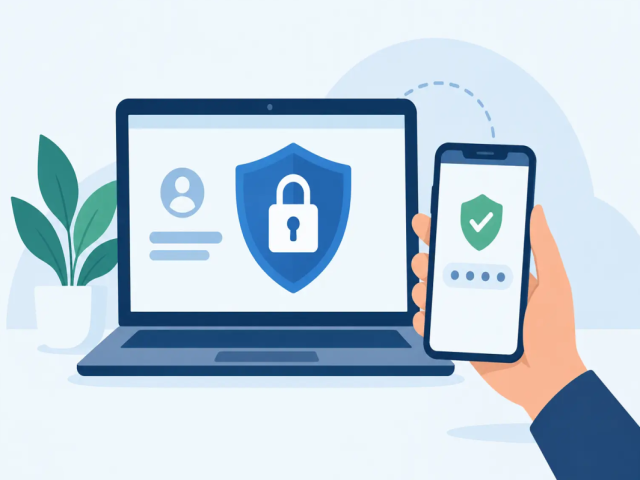
Our two factor authentication review explains how a second sign-in step protects investment accounts, deposits, withdrawals, and personal data every day.
A password can be guessed, reused, leaked, or stolen through a convincing fake login page. That is a serious risk when an account holds personal information, funding details, and investment activity. This two factor authentication review explains what the extra security step does, where it falls short, and how to choose an option that protects your financial goals without making account access difficult.
What Two Factor Authentication Actually Adds
Two factor authentication, often called 2FA, asks for two separate forms of proof before allowing access. The first is usually something you know, such as your password. The second is something you have, such as a code from an authenticator app, a text message sent to your phone, or a physical security key.
The value is simple: a stolen password alone should not be enough to enter your account. If someone obtains your login credentials from a data breach or phishing email, they still need access to your second factor. That extra barrier can stop many account takeover attempts before they reach your balance, portfolio information, or withdrawal settings.
For investors, 2FA is not a minor account preference. It is part of protecting the capital you are building for income, future purchases, business growth, or long-term financial well-being. Managed investing is designed to reduce the burden of daily trading. Strong account security helps ensure that convenience does not become an opening for unauthorized access.
Two Factor Authentication Review: The Main Methods
Not every 2FA method provides the same level of protection. The right choice depends on the platform, your habits, and how much security you need around the account. Understanding the trade-offs makes it easier to choose a method you will actually use consistently.
Authenticator apps
Authenticator apps create a new short code every 30 seconds or so. You enter the current code after your password. Because these codes are generated on your device rather than delivered by text message, this method offers stronger protection against many phone-based scams.
For most investors, an authenticator app is a practical balance of security and convenience. It works even when you have weak cell service, can be set up in minutes, and does not rely on your mobile carrier. The responsibility is keeping backup or recovery codes somewhere secure. If your phone is lost and you have no recovery plan, regaining access can take time.
Text message codes
SMS verification sends a one-time code to your phone number. It is familiar, easy to understand, and better than relying on a password alone. For new users, its low friction can make the difference between turning on 2FA and delaying it indefinitely.
However, text messages have weaknesses. Criminals can attempt SIM-swap fraud by convincing a carrier to move your phone number to another device. They can also use phishing pages that ask for both your password and a code in real time. SMS is a useful starting point, but users managing meaningful balances should consider moving to an authenticator app or security key when available.
Push notifications
Some platforms send a prompt to an approved mobile device asking you to approve or deny a login attempt. This can be fast and convenient, especially for people who access their accounts frequently.
The risk is approval fatigue. If an attacker repeatedly sends requests, a distracted user may eventually tap approve just to stop the notifications. Never approve an unexpected prompt. If you receive one, deny it, change your password, and review your account activity immediately.
Physical security keys
A physical security key is a small device that confirms your identity through a USB port, NFC, or another connection. It is often the strongest available option because it can help protect against phishing sites that imitate a real login screen.
This method is especially valuable for investors, business owners, and entity accounts with larger balances or several authorized users. Its trade-off is obvious: you must keep the key available and maintain a backup key in case the primary one is lost. It may be more than a casual user needs, but it is a smart upgrade for accounts where a security failure would have a major financial impact.
Why 2FA Matters for Investment Accounts
A compromised social media account is inconvenient. A compromised investment account may expose financial details, disrupt planned transactions, or create stress when you should be focused on your strategy. The more activity an account supports, including deposits, withdrawals, portfolio visibility, and profile changes, the more valuable strong login protection becomes.
2FA also helps create better security habits. When you use a second factor, you become more alert to unexpected login attempts and suspicious communications. That awareness matters because many attacks do not begin with advanced technology. They begin with an email, message, or website designed to make you act quickly.
No security feature replaces careful decision-making. A real platform should never ask you to share your password, recovery code, or live authentication code through email, chat, or social media. Those codes are meant for you alone. Enter them only through the official login process you opened yourself.
What 2FA Cannot Protect Against
Two factor authentication is highly worthwhile, but it is not a complete security strategy. It cannot fully protect an account if a user voluntarily gives an attacker access, approves a fraudulent push notification, or signs in through a fake website that captures information in real time.
It also cannot compensate for poor device security. If a phone or computer is infected, left unlocked, or shared without proper safeguards, account risks rise. Use a device passcode or biometric lock, keep your operating system updated, and avoid logging in through public computers or unsecured networks.
There is also a recovery trade-off. Stronger authentication can make it harder for an unauthorized person to gain access, but it can also make account recovery more involved if you lose your device. This is a feature, not a flaw, as long as you prepare for it. Store recovery codes offline in a secure location, verify your recovery email and phone number, and keep your contact details current.
How to Set Up 2FA Without Creating Future Problems
The strongest setup is the one you can maintain. Start by using a unique, long password for every financial account. A password manager can generate and store complex passwords so you do not have to memorize them.
Next, enable the most secure 2FA option the platform supports and that fits your routine. An authenticator app is often the best choice for individual users. A physical security key can be an excellent addition for higher-value or business-related accounts. If SMS is your only option, enable it rather than leaving the account protected by a password alone.
During setup, download or write down the recovery codes. Do not store them in the same phone notes app that holds your authenticator codes. Keep them in a secure offline location or another protected method that remains accessible if your phone is lost.
Finally, review your account security settings regularly. Look for unfamiliar devices, unexpected email changes, new withdrawal details, or login notifications you do not recognize. Fast action matters. If something feels wrong, change your password, remove unknown devices, and contact the platform through its official support channels.
A Practical Standard for Confident Investing
Convenience matters when you are building passive income and managing a busy life. Security matters just as much. The best investment experience gives you clear visibility into your account while making it harder for anyone else to reach it.
Budrigantrade users, like all online investors, should treat account protection as part of their broader financial discipline. A strong password, active 2FA, protected recovery details, and careful attention to suspicious messages can help keep the focus where it belongs: on pursuing opportunities across the markets with greater confidence.
Take a few minutes to check your security settings before your next deposit or portfolio review. That small action can protect far more than a login. It can protect the time, trust, and capital behind your financial plans.
Recent Posts
-

What Is Investment Liquidity and Why It Matters
20 Oct 2026
-

How to Set Financial Goals That Build Wealth
20 Oct 2026
-

Robo Advisors Versus Brokers for Your Goals
20 Oct 2026
-

-

When Should Portfolios Rebalance for Growth?
08 Oct 2026
-
Platform Security Review for Confident Investors
08 Oct 2026
-

How to Invest Business Cash Reserves Wisely
08 Oct 2026
-

How to Calculate Compound Returns on Investments
08 Oct 2026
-

Alternative Assets Trends Reshaping Portfolios
08 Oct 2026
-

How to Read Portfolio Drawdowns With Confidence
06 Oct 2026
-
-
Are Investment Platforms Regulated in the US?
06 Oct 2026
-

How to Diversify Income Streams With Purpose
06 Oct 2026
-
Crypto Custody Service Review for Investors
06 Oct 2026
-

A Small Business Cash Reserve Example That Works
23 Sep 2026