Are Crypto Funded Accounts Safe?
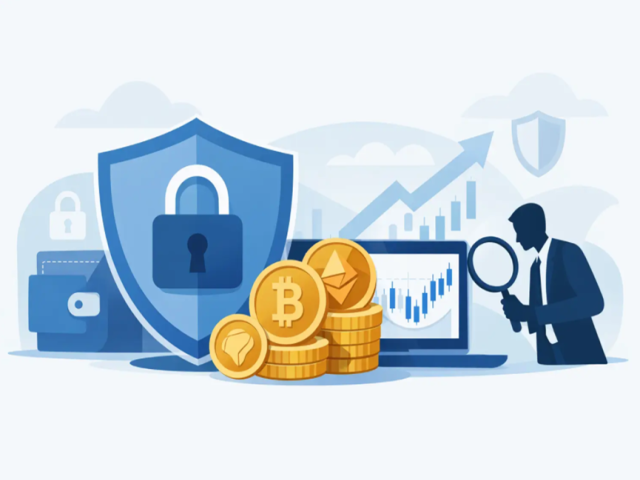
Are crypto funded accounts safe? Learn the real risks, safety checks, and what separates trustworthy platforms from costly mistakes.
Sending crypto to fund an investment account feels fast and modern right up until one question cuts through the excitement: are crypto funded accounts safe? The honest answer is yes, sometimes, but only when the platform, funding process, and withdrawal rules are built around transparency and control. Crypto can make account funding quicker and more flexible. It can also make mistakes harder to reverse if you send funds to the wrong place or trust the wrong operator.
That is why safety is not really about crypto alone. It is about the entire system behind the account. The platform matters. The people managing funds matter. The rules for deposits, reporting, and withdrawals matter even more.
Are crypto funded accounts safe for everyday investors?
For many investors, crypto funded accounts are safe enough to consider when the provider treats digital payments as one part of a credible investment process, not as a shortcut around accountability. A serious platform should clearly explain how deposits are handled, what wallet process is used, when balances appear, how profits are reported, and how withdrawals work.
This matters because crypto payments do not have the same built-in reversal options as card payments or bank disputes. If a platform hides behind that fact, the risk jumps immediately. If a company uses crypto for speed and convenience while also showing visible account activity, transparent funding instructions, and clear operating terms, the model becomes far more credible.
For beginners especially, the biggest mistake is assuming that a crypto-funded account is safe just because the technology itself is secure. Blockchain records can be reliable. That does not automatically make every business using blockchain reliable.
What actually makes a crypto funded account safe?
Safety usually comes down to five practical factors: platform legitimacy, wallet security, operational transparency, withdrawal reliability, and risk communication.
A legitimate provider should not be vague about who operates the service or how the investment model works. If a company presents managed exposure to markets, it should explain what clients are participating in, how returns are generated, and what role the company plays in monitoring or executing trades. Strong platforms make the process feel accessible without hiding the mechanics.
Wallet security is the second layer. Investors should know whether they are sending funds to a verified company wallet, whether addresses are provided clearly, and whether confirmations are tracked properly. A safe experience usually includes a structured deposit flow rather than random wallet details sent in a chat message.
Operational transparency is where trust becomes measurable. Can you see your portfolio activity? Are deposits reflected accurately? Is performance reporting understandable? A serious investment platform gives clients visibility because confidence grows when investors can verify movement instead of guessing.
Withdrawal reliability is often the real test. Plenty of platforms make deposits easy. Fewer make withdrawals smooth, timely, and consistent with published terms. If a provider creates confusion, surprise fees, or endless delays once you request a payout, that is not a safety issue in theory. It is a safety issue in practice.
Then there is risk communication. No credible firm should suggest that crypto funding removes market risk. If your capital is placed into equities, forex, crypto markets, commodities, or indices, results can vary. A safer platform communicates opportunity with confidence while still being clear that returns come from market activity, not magic.
The biggest risks investors overlook
The first overlooked risk is irreversibility. Crypto transactions are usually final. If you send funds to the wrong address or to a fraudulent platform, recovery can be difficult or impossible. This is why address verification and official funding instructions are so important.
The second is false transparency. Some platforms display numbers on a dashboard, but those numbers may not reflect real trading or real liquidity. A polished interface is not proof of a sound business. Investors should look for consistency between what the platform promises and what it can actually show.
The third is withdrawal friction disguised as policy. Reasonable processing steps are normal. Excessive delays, changing conditions, or pressure to deposit more before withdrawing are not. That kind of behavior turns a convenience-focused funding method into a trap.
The fourth is volatility at the funding stage. Even if your investment plan is clear, the crypto asset used for deposit may fluctuate in value before processing is complete. That does not make the account unsafe by itself, but it does create exposure that investors should understand before sending funds.
How to judge whether a platform is trustworthy
Start with the basics. Is the business presenting itself clearly, or hiding behind vague language? Confidence is good. Specifics are better. You want to see a platform that explains its services in plain terms and does not force you to guess how your money moves from deposit to managed allocation.
Next, examine the user experience around trust. Serious operators tend to build confidence through visible account reporting, straightforward onboarding, and a process that feels organized rather than improvised. If the funding path looks rushed, confusing, or inconsistent, step back.
Also pay attention to how the platform talks about profits. Ambition is attractive, especially for investors seeking passive income and professional market exposure. But safety improves when a company balances opportunity with process. A provider that explains analyst oversight, active market monitoring, and account visibility is giving you something more solid than hype.
This is where firms like Budrigantrade aim to stand out - by combining crypto funding convenience with managed investment structure, visible portfolio access, and a model built around ongoing market analysis rather than leaving investors on their own. For the right user, that combination can make crypto funding feel less speculative and more operationally controlled.
Are crypto funded accounts safe compared with bank-funded accounts?
Bank-funded accounts usually feel safer because people understand them better. There is familiarity, and in some cases stronger consumer recourse if something goes wrong during payment. Crypto-funded accounts trade some of that familiarity for speed, accessibility, and global flexibility.
That trade-off can be worth it for investors who want faster funding, easier international transfers, or a more direct way to move capital into an online investment platform. But it only works well when the company on the receiving end has strong internal processes.
So which is safer? It depends on what kind of risk you are measuring. Bank transfers may offer more comfort at the payment level. Crypto funding may offer more convenience and broader access. Platform trust remains the deciding factor in both cases. A weak company does not become safe because it accepts banks. A strong company does not become unsafe just because it accepts crypto.
Red flags that should stop you immediately
If a platform refuses to explain withdrawals, that is enough reason to pause. If it pressures you to act fast before you can review terms, pause again. If wallet instructions arrive through unofficial channels or keep changing, stop completely.
Another major red flag is guaranteed profit language with no serious discussion of risk, timing, or market conditions. Investors looking for passive income should still expect professionalism. Real operators can be optimistic without pretending outcomes are automatic.
You should also be cautious if support disappears after deposit, if your account balance appears but activity is unclear, or if every question about access gets answered with more sales messaging. Safety is not just cybersecurity. It is the ability to understand where you stand at any moment.
A smart way to approach crypto-funded investing
If you are considering this route, start smaller than your maximum comfort level. Test the deposit process carefully. Verify wallet details through official platform channels. Read the terms around profit distribution, lock periods if any exist, and withdrawal timing. Then watch how the platform performs operationally, not just financially.
This approach gives you real evidence. You can see whether funding is processed accurately, whether communication stays professional, and whether the account experience matches the promises. Investors who treat the first deposit as a verification step often avoid the expensive mistakes that come from rushing.
It also helps to choose platforms built for convenience without sacrificing structure. Many users want simple access to global markets, managed strategies, and passive income potential without becoming full-time traders themselves. That is a reasonable goal. The safer path is choosing a provider that respects that need for simplicity while still giving you enough visibility to feel in control.
Crypto funded accounts can absolutely be safe, but they are not safe by default. They become safer when speed is matched by transparency, when access is matched by accountability, and when the platform treats your trust like something it has to earn. If you keep that standard, you are far more likely to find an opportunity worth pursuing instead of a lesson that costs too much.
Recent Posts
-

A Guide to Profit Based Investing
15 Jun 2026
-

Earnings Season Investment Opportunities
15 Jun 2026
-

How Pooled Investments Generate Returns
15 Jun 2026
-

Are Crypto Deposits Safe for Investing?
15 Jun 2026
-

Small Business Portfolio Allocation Example
01 Jun 2026
-

Crypto Funding Trends in Investing Now
01 Jun 2026
-

The Future of Online Asset Management
01 Jun 2026
-

Managed Income Strategies That Fit Real Goals
01 Jun 2026
-

Best Markets for Managed Exposure in 2026
01 Jun 2026
-

Economic Events Trading Strategy That Works
30 May 2026
-

Global Macro Investing Guide for Beginners
30 May 2026
-

9 Top Signs of a Transparent Investment Platform
30 May 2026
-

Managed Accounts vs Mutual Funds
25 May 2026
-

Trust Management vs Robo Advisors
25 May 2026
-

7 Trends in Retail Asset Management
25 May 2026