The Future of Online Asset Management
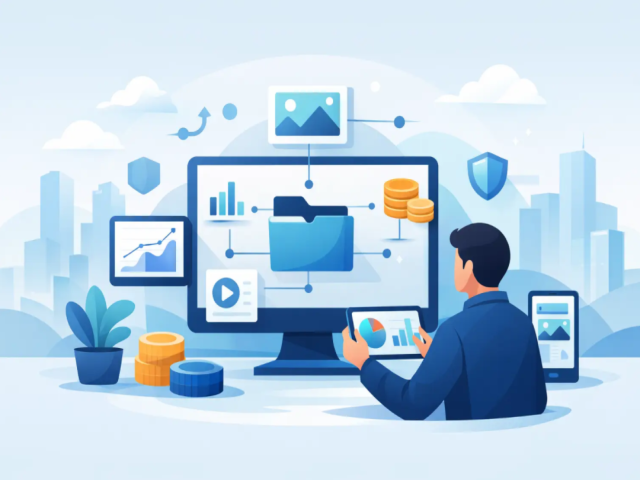
The future of online asset management is faster, smarter, and more accessible, giving investors more control, visibility, and passive income.
A few years ago, online investing meant opening an account, buying a few assets, and hoping you had the time and nerve to manage the ups and downs yourself. The future of online asset management looks very different. It is moving toward professionally managed, always-on, data-driven investing that gives more people access to market opportunities without requiring them to become full-time traders.
That shift matters for everyday investors. Most people want growth, passive income, and better use of their capital, but they do not want to spend their evenings studying charts, chasing headlines, or reacting to price swings. They want access to serious market participation with less friction, more visibility, and a process they can actually trust. That is exactly where online asset management is heading.
Why the future of online asset management is changing fast
The biggest force behind this change is simple: investors expect more. They want the speed of digital platforms, the flexibility to fund accounts in different ways, and the reassurance that experienced market operators are monitoring opportunities around the clock. They also want a cleaner experience than the old model of traditional wealth management, which often felt slow, expensive, and designed for a much narrower group of clients.
Online platforms are responding by combining market access with managed execution. Instead of placing every trade manually, users can now choose a strategy, fund an account, monitor performance, and let professionals handle market activity behind the scenes. That is a powerful shift because it lowers the barrier to entry while still appealing to investors who care about serious financial outcomes.
Technology is also changing expectations around transparency. Investors no longer accept vague quarterly updates as enough. They want to log in, see what is happening, track account activity, and feel connected to their portfolio in real time. In online asset management, visibility is becoming part of the product, not just an extra feature.
From self-directed trading to managed convenience
For many people, self-directed trading looked attractive at first because it promised control. In practice, it often delivered stress. Markets move fast, and opportunities can disappear in minutes. Emotions can lead to poor timing, overtrading, and inconsistent decisions, especially for beginners who are balancing investing with work, family, and other responsibilities.
The future belongs to models that reduce that pressure. Managed online investing gives clients exposure to global financial markets while outsourcing the daily execution to analysts and traders who are already watching price action, macro events, and technical signals. That does not remove risk, because no market-based service can do that, but it does reduce the operational burden on the investor.
This is especially appealing to people who think in terms of outcomes rather than market mechanics. They care about building income streams, growing capital over time, or putting idle funds to work. They do not necessarily want to learn how to trade currencies at midnight or rotate between commodities and crypto on their lunch break. They want a platform that makes participation easier and more structured.
What investors will expect next
The next generation of online asset management will be shaped by a few clear demands. The first is accessibility. Investors want fewer barriers between available capital and active opportunity. That includes easier onboarding, simpler interfaces, flexible deposit methods, and options that fit different time horizons.
The second is continuous market engagement. Financial markets do not move on a neat office schedule. Currency markets react to geopolitical news, crypto trades all day and night, and commodities can shift quickly on supply and demand headlines. Platforms that monitor markets 24/7 and act when conditions change will have a real advantage.
The third is strategy choice without complexity overload. Investors like options, but they do not want to feel buried in technical jargon. Short-term, mid-term, and long-term programs are becoming more appealing because they align with real financial goals. One investor may want near-term cash flow. Another may be planning for long-term wealth building. A business account may want capital deployment that fits broader cash management plans. Good online asset management will keep those paths clear.
The future of online asset management will be more personalized
Personalization does not always mean hyper-complex investing. In fact, for many users, personalization means being able to choose a plan that matches their goals, risk tolerance, and preferred funding method without having to design an entire portfolio alone.
This is where online platforms can outperform older institutions. They can create smoother user journeys, give investors more control over how they start, and offer a level of flexibility that feels more practical. A beginner investor may want a straightforward entry point and visible account tracking. A more experienced investor may want diversified exposure across currencies, equities, indices, commodities, and digital assets. An entity-based investor may care more about operational ease, account oversight, and efficient movement of capital.
The winning platforms will be the ones that make all of that feel simple on the surface while maintaining serious analytical discipline underneath.
Automation will matter, but trust will matter more
Automation is often treated as the headline story in finance, but investors do not deposit funds because they love software. They do it because they want results they can understand and a process they believe in. Automation can improve speed, consistency, and account management, yet trust remains the deciding factor.
That is why the future of online asset management is not just about algorithms. It is about combining automation with human judgment, market analysis, and clear reporting. Investors want to know that someone competent is actually paying attention when markets turn volatile or when opportunity opens across asset classes.
There is also a practical trade-off here. Fully automated systems can be efficient, but they may not adapt well to unusual market conditions. Human-led models can be more flexible, but they need discipline and transparency to scale well online. The strongest platforms will likely blend both - using technology to improve execution and visibility while relying on experienced analysts to guide strategy.
Broader asset access will become standard
Online asset management is moving beyond narrow portfolio menus. Investors increasingly expect access to multiple global markets in one place. Equities remain essential, but interest in fiat currencies, cryptocurrencies, indices, and commodities continues to grow because each market behaves differently and can create different kinds of opportunity.
This broader access matters because modern investors think about diversification in practical terms. They do not just want one asset type and one return path. They want exposure that can adapt to changing market conditions. When one segment slows, another may offer better momentum or defensive value.
Still, more access is not always better by itself. Too many choices without clear management can confuse users and lead to poor decisions. The future is not about giving investors a bigger pile of buttons to press. It is about giving them smarter access through managed strategies that are easier to follow.
Transparency is becoming a growth driver
In the next phase of the industry, transparency will help platforms grow faster because it reduces hesitation. Investors want to see how their money is being handled, how returns are tracked, and when they can move funds in or out. Features like portfolio visibility, account activity, and straightforward funding and withdrawal systems are no longer nice to have. They shape credibility.
This is particularly true for online-first investors who are comfortable transacting digitally but still cautious about where they place capital. They want convenience, but they also want evidence that the platform takes reporting, process, and client confidence seriously.
A company like Budrigantrade fits this direction well when it pairs broad market exposure with clear account visibility and simplified managed investing. That combination speaks directly to users who want passive income opportunities without taking on the stress of active trading themselves.
What this means for the everyday investor
For the average investor, the future is promising because it puts sophisticated market participation within easier reach. You no longer need to become an expert trader to pursue growth across global markets. You need a platform that can monitor opportunities, apply analysis consistently, and present the experience in a way that feels transparent and manageable.
That does not mean every investor should chase the same strategy or expect identical results. Time horizon, risk appetite, and liquidity needs still matter. Someone looking for shorter-term income may make different choices than someone focused on long-term capital growth. But the overall direction is clear: online asset management is becoming more accessible, more responsive, and more aligned with the way modern investors actually want to build wealth.
The smartest move is not to wait for the future to arrive. It is to recognize that it is already taking shape and choose investment solutions built for where the market is going, not where it used to be.
Recent Posts
-

How to Read Portfolio Drawdowns With Confidence
06 Oct 2026
-
-

Are Investment Platforms Regulated in the US?
06 Oct 2026
-

How to Diversify Income Streams With Purpose
06 Oct 2026
-
Crypto Custody Service Review for Investors
06 Oct 2026
-

A Small Business Cash Reserve Example That Works
23 Sep 2026
-

Retirement Planning That Builds Real Flexibility
23 Sep 2026
-

Stocks Versus Bonds Allocation for Your Goals
23 Sep 2026
-

15 Best Investor Due Diligence Questions
23 Sep 2026
-

15 Best Investor Due Diligence Questions
23 Sep 2026
-
Investment Platform Security Review Made Simple
19 Sep 2026
-

Best Portfolio Rebalancing for Lasting Growth
19 Sep 2026
-
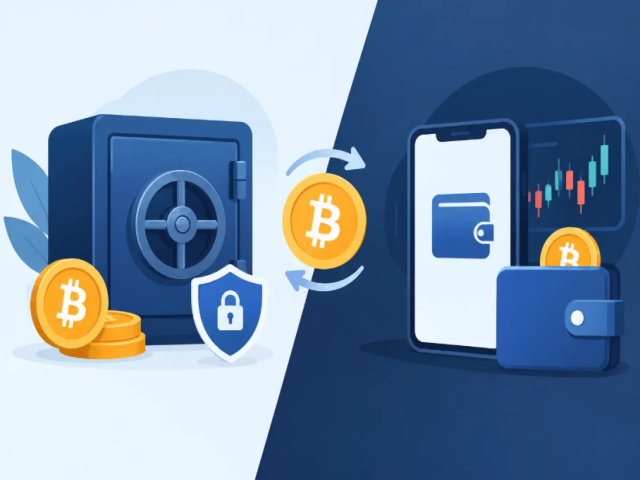
Crypto Custody Versus Exchange Wallets Explained
19 Sep 2026
-

AI Investing: A Smarter Way to Build Wealth
14 Sep 2026
-

How to Set Investment Goals That Fit Your Life
14 Sep 2026