7 Trends in Retail Asset Management

Explore trends in retail asset management shaping passive income, transparency, crypto access, and smarter portfolio decisions for investors.
A few years ago, retail investors were mostly choosing between doing everything themselves or handing money to traditional firms built for higher account sizes and slower communication. That gap is closing fast. The biggest trends in retail asset management now revolve around access, speed, visibility, and managed strategies that feel more aligned with how people actually want to build wealth.
For everyday investors, that shift matters because the old barriers are losing their grip. You no longer need to be a market technician, a full-time trader, or a high-net-worth client to gain exposure to global opportunities. What matters now is finding a platform or manager that can turn complexity into clear action while protecting trust, transparency, and long-term financial well-being.
Why trends in retail asset management are changing so quickly
Retail investing has matured. Investors are no longer impressed by access alone because access is now expected. What they want is a better experience around that access - simpler entry, more market options, visible activity, and realistic paths to passive income.
There is also a behavioral shift behind this. Many people want market participation, but they do not want the stress of watching charts, reacting to news, or managing risk on their own. That demand has pushed asset management platforms to move beyond static products and toward active, technology-supported, easier-to-understand investment models.
At the same time, global markets have become more connected. A retail investor sitting at home can now think in terms of equities, currencies, crypto, commodities, and indices instead of one local market. That broader mindset is changing what investors expect from a managed solution.
The move from self-directed trading to managed participation
One of the clearest trends is the rise of outsourced market participation. Retail investors still like control, but many are redefining control. For a growing number of people, control does not mean placing every trade personally. It means choosing a strategy, selecting a time horizon, tracking performance, and letting experienced analysts or managers handle execution.
This is especially attractive to working professionals and business owners who want income diversification without adding another job to their schedule. They are looking for profit potential without the daily burden of market monitoring. That does not mean they want blind trust. It means they want informed trust backed by visible portfolio activity and a clear operating model.
There is a trade-off here. Self-directed traders keep full tactical control, but they also carry full emotional and technical responsibility. Managed retail solutions reduce that friction, although investors must then judge the quality, discipline, and transparency of the manager instead of their own trade timing.
Platforms are becoming more global and multi-asset
Retail asset management used to be narrower. Today, investors increasingly expect one environment to offer exposure to several markets. Equities still matter, but interest in fiat currencies, crypto assets, commodities, and indices has pushed platforms to think more broadly.
That change is practical, not just fashionable. Multi-asset exposure can create more ways to respond to changing market conditions. If one area is under pressure, another may present stronger momentum or defensive value. For the retail investor, this creates a more flexible path to growth and passive income.
Still, more asset classes do not automatically mean better results. A wider menu can improve diversification, but it can also create confusion if the strategy behind it is weak. The real advantage comes when market access is paired with disciplined selection and active oversight.
Transparency is no longer optional
Another major development in trends in retail asset management is the expectation of real visibility. Retail investors want to see more than a promise. They want dashboard access, portfolio updates, deposit and withdrawal clarity, and a basic understanding of how their money is being deployed.
This is one of the strongest trust signals in the modern market. When users can review activity, monitor balances, and understand their investment timeline, confidence rises. The experience feels less distant and more accountable.
Traditional finance often treated transparency as a formal report delivered later. Digital platforms have changed that expectation. Now, visibility is part of the service itself. Investors want information that is timely, simple, and useful, not buried in technical language.
For providers, this creates pressure to be cleaner in both communication and operations. The firms that win retail trust are not just promising returns. They are showing structure, process, and accessibility at every stage of the client journey.
Simplicity is becoming a competitive edge
Retail investors do not want to study market microstructure before they can start building capital. They want straightforward options that match their goals. That is why simplified onboarding, guided investment programs, and clean interfaces are becoming core features rather than nice extras.
This trend is often underestimated. Sophisticated strategy does not need a complicated customer experience. In fact, the opposite is usually more effective. When a platform removes unnecessary friction, more people can participate with confidence.
That matters for beginners, but it also matters for experienced investors who simply value efficiency. A legal-entity investor or busy professional may understand markets well enough, yet still prefer a system that saves time and centralizes oversight.
There is a line to watch, though. Simplicity should reduce confusion, not hide risk. The strongest retail asset management platforms explain time horizons, return expectations, and funding options in plain language while still being honest about market variability.
Crypto funding and hybrid finance are entering the mainstream
A few years ago, crypto was treated as a separate lane. Now it is increasingly part of the retail asset management conversation, both as an investable market and as a funding method. For many users, especially digital-first investors, the ability to move capital through crypto is simply more convenient.
This shift reflects how retail finance is evolving. Investors want flexibility in how they fund accounts, how they access markets, and how quickly they can act. Crypto funding supports that demand by reducing some of the friction tied to traditional transfer systems.
It also expands the addressable audience. Platforms that support both conventional and digital funding methods can serve a broader range of users across jurisdictions and habits. That is a meaningful advantage in a global online market.
Of course, convenience does not remove volatility or operational considerations. Crypto-based activity can improve access and speed, but investors still need confidence in security practices, transaction clarity, and the platform’s overall governance.
Active monitoring is replacing set-and-forget expectations
Passive income remains a strong motivator, but the way investors think about passive income is changing. Fewer people believe successful asset management means ignoring the market completely. Instead, they want passive participation on their side and active monitoring on the manager’s side.
That distinction is important. In volatile conditions, static portfolios can struggle if they are not reviewed and adjusted. Retail investors are increasingly attracted to services built around continuous market observation, fundamental analysis, and technical execution because they want responsiveness without having to provide it personally.
This is where modern digital managers have room to stand out. A 24/7 operating model feels more relevant in a world where crypto trades nonstop, global macro events hit fast, and sentiment can shift overnight. The investor remains hands-off, but the strategy should not be asleep.
Performance fees align with outcome, but trust still leads
Retail investors are becoming more open to profit-based fee models, especially when those models feel more aligned with results than flat advisory charges. A manager earning from generated profit can appear more motivated to perform and more accessible to clients who dislike paying ongoing fees regardless of outcome.
That said, alignment alone is not enough. Investors still need to evaluate the terms carefully. Fee structures influence behavior, and incentives can cut both ways depending on how risk is managed. A strong model is one where performance ambition is balanced by disciplined oversight and transparent reporting.
This is one reason trust remains the center of retail asset management even as technology advances. Better dashboards, faster funding, and wider market access all help. But confidence grows when investors believe there is genuine care behind the service, not just sales language.
What this means for the next retail investor
The retail investor of today is more ambitious than past generations and less willing to accept unnecessary friction. People want global access, professional oversight, flexible funding, and visible performance in one place. They want their money working even when they are busy living their lives.
That is exactly why platforms like Budrigantrade are part of a broader market shift. The appeal is not only access to multiple financial markets. It is the promise of managed participation built for people who want opportunity without having to become full-time traders themselves.
The smartest move now is not chasing every new feature. It is choosing asset management that fits your time horizon, your risk comfort, and your expectations for transparency. In a market moving this fast, the investors who do best are often the ones who stay focused on clarity, discipline, and steady access to opportunity.
Recent Posts
-

How to Read Portfolio Drawdowns With Confidence
06 Oct 2026
-

-

Are Investment Platforms Regulated in the US?
06 Oct 2026
-

How to Diversify Income Streams With Purpose
06 Oct 2026
-

Crypto Custody Service Review for Investors
06 Oct 2026
-

A Small Business Cash Reserve Example That Works
23 Sep 2026
-

Retirement Planning That Builds Real Flexibility
23 Sep 2026
-

Stocks Versus Bonds Allocation for Your Goals
23 Sep 2026
-

15 Best Investor Due Diligence Questions
23 Sep 2026
-

15 Best Investor Due Diligence Questions
23 Sep 2026
-

Investment Platform Security Review Made Simple
19 Sep 2026
-

Best Portfolio Rebalancing for Lasting Growth
19 Sep 2026
-
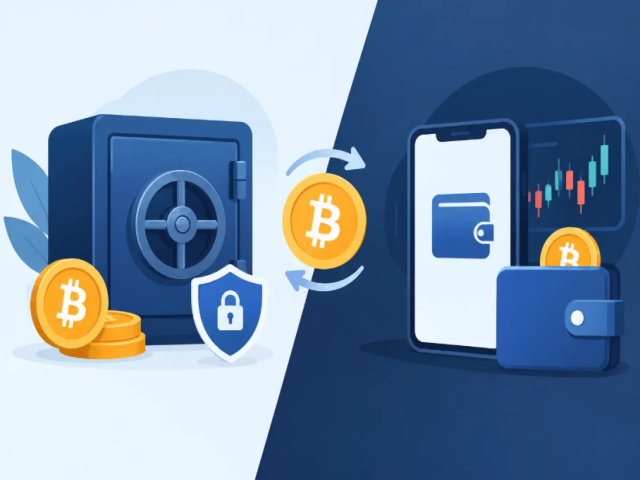
Crypto Custody Versus Exchange Wallets Explained
19 Sep 2026
-

AI Investing: A Smarter Way to Build Wealth
14 Sep 2026
-

How to Set Investment Goals That Fit Your Life
14 Sep 2026