Portfolio Transparency Tools Review
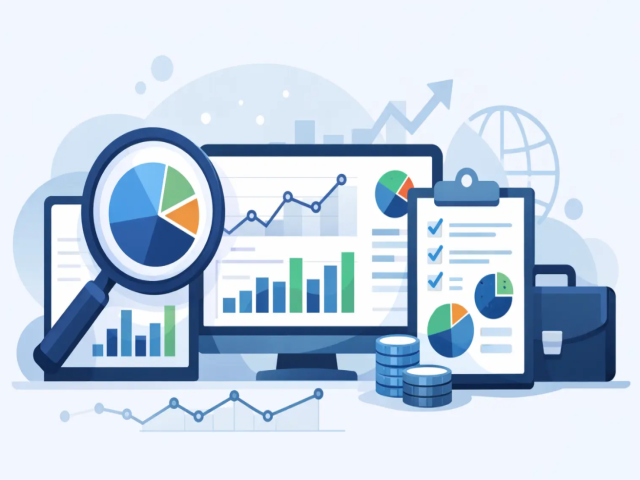
Portfolio transparency tools review for investors who want clear performance data, risk visibility, and easier decisions before funding managed accounts.
If you are trusting a platform to manage your money, the dashboard should answer your biggest question fast: what is happening inside the portfolio right now? That is why a serious portfolio transparency tools review matters. Returns attract attention, but visibility is what helps investors stay confident, compare providers, and avoid committing capital to a system that keeps too much hidden.
For retail investors, side-income seekers, and small entities looking for managed market exposure, transparency is not just a nice extra. It is the feature that turns a promise into something measurable. You do not need to be a trader to recognize whether a platform shows real account activity, clear profit history, funding records, portfolio allocation, and risk signals in a way that makes sense.
What investors should expect from portfolio transparency tools
A strong transparency tool does more than display a balance and a profit figure. That is the minimum. Real visibility means you can see how your capital is being presented, how performance changes over time, and whether the platform gives enough detail to support informed decisions without overwhelming you with jargon.
The best systems usually combine account overview, transaction history, portfolio composition, and performance reporting in one place. When that information is scattered across several pages or hidden behind support requests, confidence drops quickly. Investors want speed, clarity, and proof.
There is also a practical side to this. People choosing managed exposure often do not want to analyze charts all day. They want passive income potential without daily trading stress. In that setting, transparency tools become the bridge between hands-off investing and responsible oversight. You may not place the trades, but you should still understand the movement of your funds.
Portfolio transparency tools review - the features that actually matter
Some platforms advertise transparency when they really mean a clean interface. Those are not the same thing. A polished dashboard is useful, but transparency is about the depth and reliability of what the interface reveals.
Performance tracking is the first feature to examine. Investors should be able to view gains and losses across a meaningful time range, not just a single headline number. Daily snapshots can be useful, but longer views such as weekly, monthly, and term-based performance are more valuable because they show consistency. If a platform only highlights winning periods, that is a warning sign.
Transaction visibility comes next. Deposits, withdrawals, profit credits, and account adjustments should be easy to verify. This is especially important for users funding accounts through both traditional methods and crypto, where confirmation speed and movement history matter. Good transparency tools reduce confusion by time-stamping transactions and showing status clearly.
Portfolio allocation is another major factor. Even non-expert investors benefit from seeing whether funds are directed toward equities, currencies, cryptocurrencies, indices, commodities, or a blend. You do not need a wall of technical data. You do need enough information to know whether the portfolio matches your expectations and investment timeline.
Risk display is where many platforms get weak. They talk about opportunity but offer very little context around volatility, drawdown, or exposure concentration. A better platform gives investors simple but useful indicators that explain how aggressive or balanced a strategy may be. That does not guarantee profits, but it does help people choose plans aligned with their goals rather than chasing the highest projected return.
The difference between real transparency and marketing transparency
This is where a careful review becomes valuable. Some investment services use the language of trust while showing very little beyond testimonials and broad claims. Marketing transparency says, "We care about your financial well-being." Real transparency shows your funding history, portfolio progress, realized results, and account activity in a way you can check for yourself.
That distinction matters most when investors are comparing managed platforms that promise convenience. Convenience is attractive, but it should not come at the cost of visibility. If the service is built for people who want profit without personally handling trades, then the reporting experience needs to be even stronger, not weaker.
There is a trade-off here. Too much data can intimidate beginners, while too little can make a platform feel opaque. The best transparency tools solve this by layering information. They start with clear essentials such as balance, returns, and transactions, then let users explore deeper details if they want to. That approach respects both beginners and more experienced investors.
How to judge a platform during a portfolio transparency tools review
Start with the investor dashboard. Ask whether the information is understandable within the first minute. If you need to guess what the numbers mean, the platform is failing the most basic usability test. A managed investment service should feel accessible from the first login.
Then look at update frequency. Some platforms present stale numbers in a polished format, which can create a false sense of control. Current reporting matters because active portfolios can change quickly across global markets. When a company emphasizes round-the-clock market monitoring, the visibility tools should reflect that pace.
Historical consistency matters too. Can you view earlier activity, or only recent movement? Long-term investors and entity-based investors often need a record they can reference for planning, review, or reporting. A platform that keeps clean performance history is usually easier to trust than one focused only on short-term excitement.
You should also consider withdrawal transparency. Many investors judge a platform by how clearly it handles exits, not just deposits. If the dashboard explains withdrawal requests, processing stages, and payout records, it creates reassurance at the point where trust matters most.
Mobile access is another practical factor. A lot of investors monitor accounts between work, family responsibilities, and other commitments. Transparency tools should not only work on desktop. They should remain clear on mobile, where most quick account checks happen.
What a good toolset looks like for passive income seekers
For people seeking passive income, transparency should feel empowering rather than technical. The right toolset makes it easier to answer a few simple questions: How much have I funded? What has been earned? What is the current portfolio position? Can I track my withdrawals? Is the performance pattern stable enough for my goals?
That simplicity is not a weakness. It is a strength. Many investors do not want to become analysts. They want access to professional market participation while staying informed enough to make confident decisions. A platform that can deliver both ease and visibility stands out.
This is where brands like Budrigantrade aim to meet investor expectations by combining managed exposure with visible account activity and simplified reporting. For the target audience, that balance is attractive. Sophisticated market access means little if users feel disconnected from the actual performance of their capital.
Common gaps that investors overlook
One common mistake is focusing only on profit percentages. High return claims can distract from weak reporting structure. A more useful question is whether the platform gives enough evidence to support those claims over time.
Another overlooked issue is selective data. If performance charts do not align with transaction records, or if the platform highlights gains but says little about periods of lower performance, transparency is incomplete. Honest reporting builds more trust than constant hype because investors know markets move in cycles.
Investors also underestimate how important terminology is. If the platform uses internal labels, vague account categories, or unclear profit statuses, confusion grows. Good transparency tools use plain language. They make managed investing feel accessible, not mysterious.
Why this review matters before you fund an account
Once capital is committed, investors naturally become more tolerant of weak visibility because they already want the choice to work. That is why the review should happen first. Check whether the platform gives you enough reporting confidence before you make the deposit, not after.
A strong transparency system supports better decisions at every stage. It helps beginners understand what they are paying for. It helps working professionals monitor passive income progress without turning investing into a second job. It helps entities maintain cleaner oversight. Most of all, it builds trust where trust should be earned - inside the account experience itself.
The smartest investors are not just looking for access to global markets. They are looking for a platform that treats visibility as part of the service, not a side feature. When performance, funding activity, and portfolio movement are easy to verify, confidence grows for the right reasons. That is the kind of clarity worth looking for before you make your next move.
Recent Posts
-
When Should Portfolios Rebalance for Growth?
08 Oct 2026
-

Platform Security Review for Confident Investors
08 Oct 2026
-

How to Invest Business Cash Reserves Wisely
08 Oct 2026
-
How to Calculate Compound Returns on Investments
08 Oct 2026
-

Alternative Assets Trends Reshaping Portfolios
08 Oct 2026
-
How to Read Portfolio Drawdowns With Confidence
06 Oct 2026
-

-

Are Investment Platforms Regulated in the US?
06 Oct 2026
-

How to Diversify Income Streams With Purpose
06 Oct 2026
-
Crypto Custody Service Review for Investors
06 Oct 2026
-

A Small Business Cash Reserve Example That Works
23 Sep 2026
-

Retirement Planning That Builds Real Flexibility
23 Sep 2026
-

Stocks Versus Bonds Allocation for Your Goals
23 Sep 2026
-

15 Best Investor Due Diligence Questions
23 Sep 2026
-

15 Best Investor Due Diligence Questions
23 Sep 2026