Managed Portfolios for Side Income

Managed portfolios for side income can help you earn without daily trading, with expert oversight, flexible timelines, and clear visibility.
A second paycheck does not always come from a second job. For many investors, managed portfolios for side income offer a more practical path - one built around market exposure, professional execution, and less personal screen time. If your schedule is already full, or trading feels too technical, a managed approach can turn capital into an income-focused asset instead of another daily task.
That appeal is easy to understand. Most people want added cash flow, but they do not want to spend nights studying charts, reacting to economic headlines, or making emotional decisions under pressure. They want access to opportunity, but they also want structure, visibility, and a process they can trust.
Why managed portfolios for side income are getting attention
The traditional side hustle asks for more time. Driving, freelancing, reselling, consulting - all of it depends on effort. Managed portfolios work differently. They are designed to put money to work in financial markets through professionals who monitor positions, adjust risk, and pursue returns across assets such as stocks, currencies, crypto, indices, and commodities.
For side-income seekers, that difference matters. The goal is not to replace earned income overnight. The goal is to create another source of financial movement, one that can potentially grow while you continue your career, run your business, or focus on family priorities.
This is also why managed investing has become more attractive to beginners and busy professionals. The barrier is no longer trading knowledge alone. Modern platforms have made access easier, reporting more transparent, and funding more flexible. In practical terms, that means more people can participate in strategies that once felt out of reach.
What a managed portfolio actually does
A managed portfolio is not simply a basket of assets left untouched for months. In the side-income context, it usually involves active oversight. Analysts and traders evaluate market conditions, identify opportunities, and manage entries and exits based on both long-term trends and shorter-term shifts.
That active element matters because side-income investing often sits between two priorities: growth and accessibility. Investors want returns, but they also want a structure that fits real-life cash needs. Some may prefer shorter investment windows for near-term goals, while others may choose longer timelines for stronger compounding potential.
A strong managed solution usually combines a few things well. It keeps the process simple for the investor, but not simplistic behind the scenes. It provides portfolio visibility, clear funding and withdrawal procedures, and enough flexibility to match different risk appetites and time horizons.
The real advantage: profit potential without daily trading
The biggest selling point is straightforward. You gain market participation without having to become the trader.
That does not mean zero involvement. You still need to choose a program, understand the terms, review performance, and decide how much capital you are comfortable allocating. But the operational burden changes significantly. Instead of managing every market move yourself, you rely on a team that watches the markets continuously and acts with a strategy.
For people who have tried self-directed trading, this can be a relief. Many new traders learn quickly that access to markets is not the same as having an edge. Emotional entries, poor timing, overtrading, and inconsistent discipline can erode both capital and confidence. Managed portfolios shift the model from personal guesswork to structured oversight.
That is especially valuable in markets that move around the clock. Crypto and forex do not wait for your lunch break. Global indices and commodities react to events fast. A managed setup can monitor these environments more consistently than the average individual investor ever could.
How to judge whether a managed portfolio fits your side-income goals
The first question is not, "How much can I make?" It is, "What am I trying to make this money do?" That distinction shapes everything.
If your target is short-term supplemental cash flow, you may lean toward a program with more frequent return cycles and more active positioning. If your goal is broader wealth accumulation, a mid-term or long-term structure may be the better fit. The right option depends on whether you want regular withdrawals, reinvestment, or a mix of both.
Risk tolerance matters just as much. Higher return expectations usually come with more volatility or more aggressive strategies. Any platform presenting managed portfolios for side income should make the structure understandable enough for investors to choose with clarity, not guesswork.
You should also pay attention to transparency. Can you see your portfolio activity or account status clearly? Are deposits and withdrawals straightforward? Is the profit model easy to understand? These details are not small. They shape trust.
A performance-based fee model, where the company earns from generated profit rather than charging flat advisory fees, can be appealing because it aligns incentives more directly. Even so, investors should understand exactly how that commission works and what counts as profit before they commit funds.
What beginners often get wrong
A common mistake is treating managed portfolios like guaranteed salary. Side income from investing is still investment income. Returns can vary. Timing matters. Market conditions change.
The smarter mindset is to see a managed portfolio as a tool for building an additional income stream with professional support, not as a fixed paycheck. That perspective helps investors choose more responsibly and avoid overcommitting capital they may need immediately.
Another mistake is ignoring time horizon. Some investors deposit money expecting instant results, then get impatient with a strategy built for a longer cycle. Others lock money into a longer term when they actually need liquidity. Side-income planning works best when the investment timeline matches the real purpose of the funds.
There is also the issue of diversification. Putting every available dollar into one strategy, one asset class, or one term can create unnecessary pressure. A more balanced approach often feels less exciting at first, but it is usually easier to sustain.
Managed portfolios versus doing it yourself
Self-directed investing offers control. You choose every position, every trade, every adjustment. For experienced traders, that can be an advantage. For most side-income seekers, it becomes a second unpaid job with a steep learning curve.
Managed portfolios offer a different value proposition. You give up some direct control in exchange for expertise, efficiency, and ongoing market oversight. That trade-off is worth it for investors who care more about results and simplicity than hands-on trading activity.
It also helps reduce friction. Funding options may be broader, including digital assets. Account interfaces are often designed for ease rather than technical complexity. Withdrawals and portfolio tracking can be more user-friendly than traditional market platforms built for advanced traders.
This is where a service like Budrigantrade can resonate with investors who want global market access without becoming market operators themselves. The appeal is clear: managed exposure, multiple timeline options, visible portfolio activity, and a model built around earning from performance rather than charging for complexity.
What to look for before you start
Confidence is good. Blind trust is not. Before choosing a managed portfolio, take a close look at how the service explains its process. Strong providers make it easy to understand what markets they trade, how accounts are managed, how profit sharing works, and what level of visibility you can expect.
You should also think realistically about contribution size. Start with an amount that supports your goals but does not create personal strain. Side income is supposed to improve financial well-being, not make your monthly budget tighter.
Finally, ask whether the experience feels built for someone like you. If you are a busy professional, beginner investor, or business owner looking for passive market participation, the platform should feel accessible from the start. Clear dashboards, simple onboarding, and a direct explanation of timelines and expectations are not extras. They are part of the value.
Managed portfolios for side income make the most sense when they reduce complexity without hiding the fundamentals. That balance is where confidence grows. And when your money is working through a structured, transparent strategy, side income stops feeling like another chore and starts looking more like a deliberate financial move.
Recent Posts
-

When Should Portfolios Rebalance for Growth?
08 Oct 2026
-
Platform Security Review for Confident Investors
08 Oct 2026
-

How to Invest Business Cash Reserves Wisely
08 Oct 2026
-

How to Calculate Compound Returns on Investments
08 Oct 2026
-

Alternative Assets Trends Reshaping Portfolios
08 Oct 2026
-
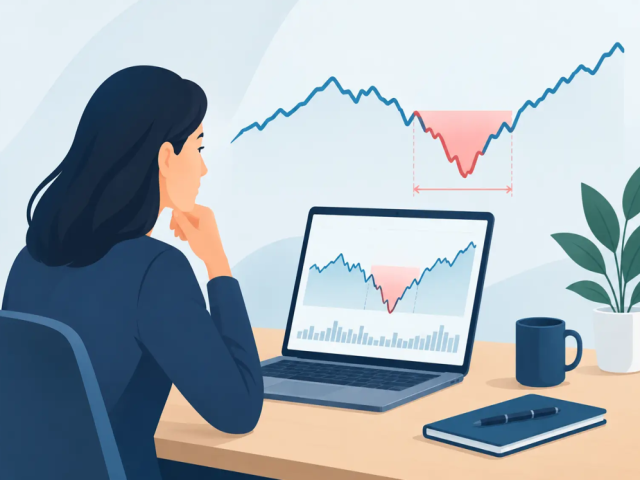
How to Read Portfolio Drawdowns With Confidence
06 Oct 2026
-
-
Are Investment Platforms Regulated in the US?
06 Oct 2026
-

How to Diversify Income Streams With Purpose
06 Oct 2026
-
Crypto Custody Service Review for Investors
06 Oct 2026
-

A Small Business Cash Reserve Example That Works
23 Sep 2026
-

Retirement Planning That Builds Real Flexibility
23 Sep 2026
-

Stocks Versus Bonds Allocation for Your Goals
23 Sep 2026
-

15 Best Investor Due Diligence Questions
23 Sep 2026
-

15 Best Investor Due Diligence Questions
23 Sep 2026