Portfolio Tracking for Managed Investments
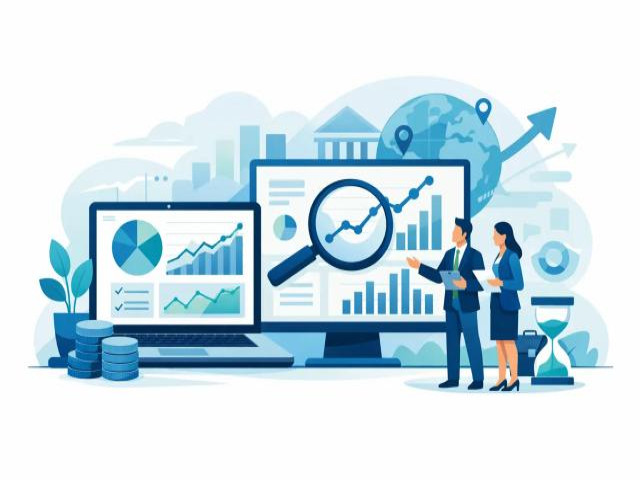
Portfolio tracking for managed investments helps you monitor returns, risk, and cash flow with clarity while staying focused on passive income goals.
A managed investment can feel effortless right up until you ask the only question that matters - how is my money actually performing? That is where portfolio tracking for managed investments stops being a nice feature and becomes the difference between hopeful investing and informed investing. If your goal is passive income, steady growth, or a smarter way to participate in global markets without trading on your own, you need visibility that is simple, consistent, and useful.
Managed investing is built on delegation. You trust professionals, systems, and strategy to do the day-to-day work. That convenience is a major advantage, especially for busy professionals, first-time investors, and anyone who wants market exposure without staring at charts all day. But delegation should never mean confusion. The strongest investment experience gives you both - expert management and a clear view of what is happening inside your portfolio.
Why portfolio tracking for managed investments matters
When investors hear the phrase portfolio tracking, they often think about a dashboard with balances and percentages. That is part of it, but the real value is bigger. Good tracking helps you understand whether your investment is moving in line with your goals, your timeline, and your risk comfort.
If you are investing for short-term cash flow, you will naturally watch different signals than someone building a long-term capital base. A short-term investor may care more about realized gains, withdrawal timing, and how quickly profits are credited. A long-term investor may focus more on consistency, compounding, and how the strategy performs across different market conditions. Tracking gives those goals structure.
It also creates trust. In managed investments, trust is not built by promises alone. It is built when investors can log in, review activity, see account changes, and feel confident that performance is being monitored with discipline. Transparency lowers anxiety, especially during volatile periods when market headlines get loud and emotional.
What investors should actually track
The best portfolio tracking for managed investments does not overwhelm you with technical noise. It highlights the numbers that help you make better decisions while keeping the experience straightforward.
Your current balance is the starting point, but it should never be the only metric you look at. Balance tells you where you are now, not how you got there. Return over time matters more because it shows whether performance is improving steadily, fluctuating sharply, or stalling.
Profit history is another key piece. This helps you separate one strong period from a repeatable trend. A portfolio that posts one exceptional result and then cools off may still be attractive, but it should be understood differently than one that grows at a more moderate yet consistent pace.
Cash flow matters too. For investors focused on passive income, deposits, profits, and withdrawals are not side details. They are central to how the investment supports real-life goals. Whether you are using returns to supplement income, reinvest for growth, or build liquidity for a future purchase, tracking cash movement keeps your strategy connected to your financial life.
Risk exposure should also be visible, even if presented in plain language. You do not need a complicated analyst terminal to understand whether your funds are spread across multiple market segments such as equities, currencies, crypto, indices, or commodities. What matters is having enough visibility to know whether your portfolio is diversified or leaning too heavily on one area.
A simple dashboard beats complicated reporting
Many investors assume more data means better control. In practice, too much information can create hesitation and second-guessing. For most people using managed solutions, the ideal system is not one that turns them into active traders. It is one that makes performance easy to follow.
That means a clear account view, understandable profit updates, visible transaction history, and access to portfolio status without friction. When a platform is designed well, you should not need a finance background to know what is happening. You should be able to check progress in minutes and move on with your day.
This is especially valuable for investors who chose managed exposure because they do not want the burden of direct market execution. The platform should carry the complexity. The user experience should deliver clarity.
How tracking supports better investor behavior
A strong tracking system does more than display results. It shapes behavior. That can be a major advantage in investing, where emotional decisions often hurt returns more than market conditions do.
When performance is visible and organized, investors are less likely to react impulsively to short-term noise. They can compare current movement against a broader pattern instead of judging everything by one day or one week. That perspective is critical in global markets, where volatility is normal across assets such as crypto, forex, and commodities.
Tracking also helps investors avoid two common mistakes: neglect and overreaction. Neglect happens when someone deposits funds and stops paying attention entirely. Overreaction happens when someone monitors every fluctuation and wants to change course constantly. The right system creates a healthier middle ground. You stay informed without becoming distracted.
Portfolio tracking for managed investments across time horizons
Not every managed portfolio should be judged the same way. Time horizon changes what success looks like.
In a short-term program, investors often want visibility into profit frequency, liquidity, and how quickly capital can be accessed. Tracking should make those details easy to review. The portfolio may move faster, and the investor usually cares more about near-term outcomes.
In a mid-term program, performance consistency becomes more important. You are often balancing growth with flexibility. Here, it helps to watch return trends over multiple cycles instead of focusing only on the latest result.
In a long-term program, portfolio tracking becomes less about constant checking and more about confirming that strategy, growth, and reinvestment remain aligned. Temporary market swings matter less than the overall path. The biggest value is seeing progress accumulate with discipline over time.
This is why one-size-fits-all reporting does not work well. Investors need visibility that matches the purpose of their capital.
What to expect from a modern managed investment platform
A modern platform should treat transparency as part of the service, not as an extra benefit. Investors today expect to see their portfolio status, funding activity, and performance records without delays or confusion. That expectation is reasonable.
For users who fund with both traditional payment methods and crypto, tracking should also reflect movement clearly across account activity. Convenience attracts investors, but visibility keeps them confident. If deposits and withdrawals feel simple while portfolio monitoring feels vague, the experience falls short.
This is one reason platforms like Budrigantrade emphasize both managed market participation and portfolio visibility. Investors want expert-led trading execution, but they also want a clean window into their account performance. That combination matters because accessibility alone is not enough. People want passive income opportunities that still feel accountable.
The trade-off: visibility without micromanagement
There is one important balance to get right. Better tracking should not turn a managed investment into a self-directed obsession. If you find yourself checking every movement and questioning every short-term fluctuation, the convenience of managed investing starts to fade.
That does not mean you should ignore the data. It means you should use tracking for evaluation, not interference. Look for patterns, consistency, cash flow, and alignment with your goals. Give the strategy enough room to work. Managed investing is strongest when expert oversight handles execution while you monitor results with confidence and patience.
That balance is especially relevant for newer investors. Access to real-time information can be empowering, but it can also create pressure to interpret every detail. A strong platform helps by presenting information clearly and keeping the focus on meaningful performance rather than noise.
What good tracking feels like
At its best, portfolio tracking creates peace of mind. You know where your money stands. You can review profits, understand movement, and confirm that your investment is working toward the outcome you chose it for. You do not need to chase updates or guess what is happening behind the scenes.
That confidence is powerful because it changes how you relate to your money. Instead of feeling disconnected from a managed strategy, you feel informed and in control of the bigger picture. And that is exactly what many investors want - a way to pursue growth, passive income, and broader market access without carrying the burden of trading everything themselves.
If you are considering a managed investment, do not just ask what returns are possible. Ask how performance will be tracked, how often you can review results, and whether the reporting supports clear decisions. A good opportunity should not only work hard for your capital. It should also let you see that work with confidence.
Recent Posts
-
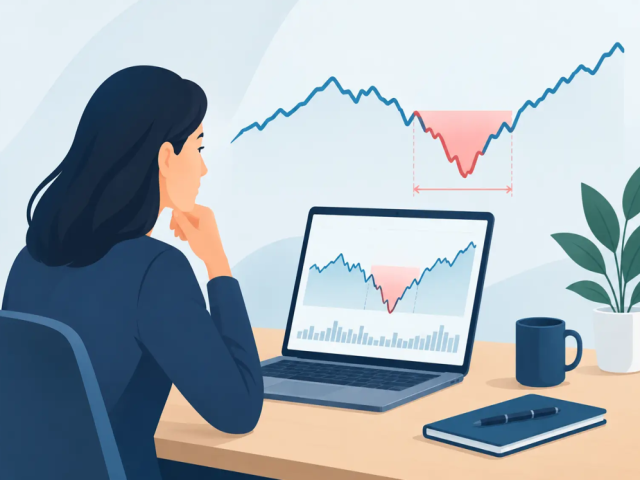
How to Read Portfolio Drawdowns With Confidence
06 Oct 2026
-
-
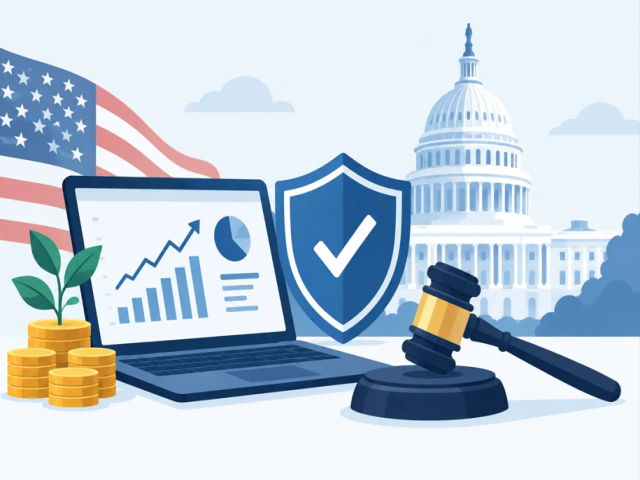
Are Investment Platforms Regulated in the US?
06 Oct 2026
-

How to Diversify Income Streams With Purpose
06 Oct 2026
-
Crypto Custody Service Review for Investors
06 Oct 2026
-

A Small Business Cash Reserve Example That Works
23 Sep 2026
-

Retirement Planning That Builds Real Flexibility
23 Sep 2026
-
Stocks Versus Bonds Allocation for Your Goals
23 Sep 2026
-

15 Best Investor Due Diligence Questions
23 Sep 2026
-

15 Best Investor Due Diligence Questions
23 Sep 2026
-
Investment Platform Security Review Made Simple
19 Sep 2026
-
Best Portfolio Rebalancing for Lasting Growth
19 Sep 2026
-
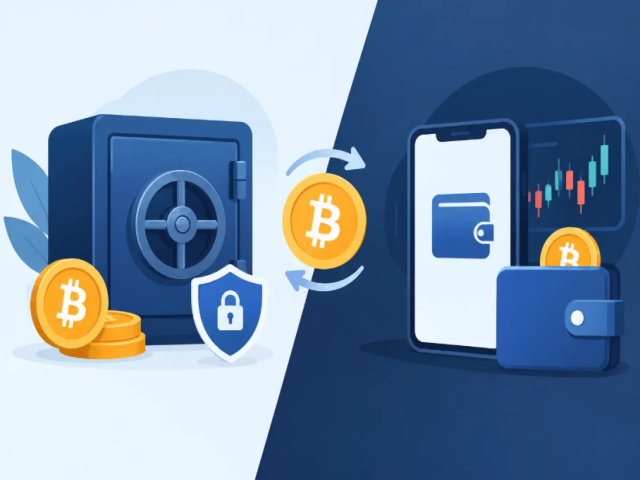
Crypto Custody Versus Exchange Wallets Explained
19 Sep 2026
-

AI Investing: A Smarter Way to Build Wealth
14 Sep 2026
-

How to Set Investment Goals That Fit Your Life
14 Sep 2026