How Analyst Monitored Investing Works

Learn how analyst monitored investing works, how experts track markets, manage risk, and pursue passive income through active oversight.
You do not need to sit in front of charts all day to participate in global markets. That is the appeal behind how analyst monitored investing works: your capital is placed into a managed strategy while experienced market analysts watch price movement, study economic signals, and adjust positions with profit and risk in mind. For investors who want growth and passive income without becoming full-time traders, that model can feel far more practical than going it alone.
At its core, analyst monitored investing is simple to understand even if the execution behind it is advanced. You deposit funds into an investment program or managed account structure, and market professionals take responsibility for monitoring opportunities across selected assets such as stocks, currencies, cryptocurrencies, indices, or commodities. Instead of asking you to research every move, the service is designed to convert market complexity into a more accessible investment experience.
What analyst monitored investing actually means
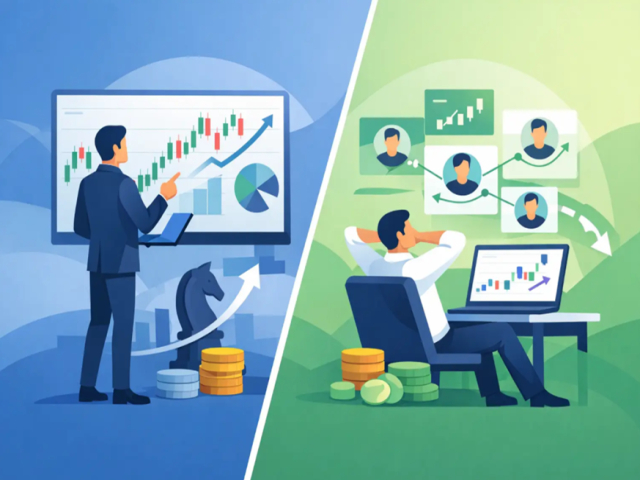
Analyst monitored investing sits between self-directed trading and traditional long-horizon investing. It is not the same as buying a few assets and forgetting about them for years, and it is not the same as personally managing every entry and exit. The key difference is active oversight.
Analysts monitor markets continuously, looking at both fundamental and technical factors. Fundamental analysis focuses on the bigger drivers behind price changes - inflation data, central bank decisions, earnings releases, geopolitical events, sector strength, and broader economic momentum. Technical analysis focuses on price behavior itself - trends, support and resistance levels, volatility, momentum, and market structure.
When those signals line up, the analyst or trading team can enter, adjust, or close positions. That active decision-making is what makes the model attractive to people who want exposure to opportunity but do not want the stress of managing trades personally.
How analyst monitored investing works in practice
In practice, the process usually starts with an investment amount and a chosen time horizon. Some investors prefer short-term programs built around more frequent market activity. Others choose medium- or long-term programs that aim for steadier growth over time. The time horizon matters because it shapes how the analysts manage risk, how often positions may change, and what kind of market opportunities they prioritize.
Once capital is allocated, analysts begin monitoring the relevant markets around the clock. In a global environment, this matters. Currency markets move overnight. Crypto trades nonstop. Commodity prices react quickly to supply news and macro shifts. Equities respond to earnings, rates, and sentiment. A monitored approach keeps eyes on those markets even when the investor is busy working, running a business, or simply living life.
Execution is the next layer. Monitoring alone does not create results. Analysts must decide when to act, when to stay patient, and when to protect capital. If momentum is building in a specific asset, they may increase exposure. If a market turns unstable, they may reduce positions or rotate into stronger opportunities. The value is not just in spotting potential profit. It is in making timely decisions without requiring the client to intervene.
That is why this model appeals to people seeking a more passive route. The investor provides capital and selects a suitable program. The analysts handle the daily market work.
Why so many investors prefer monitored strategies
The biggest reason is time. Most people do not have the schedule, discipline, or technical background to monitor several markets every day. Even if they understand the basics of investing, staying current with fast-moving price action is another level entirely.
There is also an emotional advantage. Self-directed investors often buy too late, sell too early, or freeze when volatility rises. Analyst monitored investing creates a professional layer between emotion and execution. That does not eliminate risk, but it can improve consistency because decisions are based on strategy rather than impulse.
For newer investors, the appeal is even stronger. Many want access to the profit potential of financial markets, but they do not want to learn advanced charting, macroeconomics, and position management before they begin. A monitored model lowers that operational barrier. It turns investing into a guided service rather than a solo project.
How analysts monitor risk, not just return
A common misunderstanding is that market monitoring is only about chasing profit. Strong investment management is just as much about controlling downside. Analysts are constantly evaluating whether the reward in a trade still justifies the risk.
That can involve adjusting position size, diversifying exposure across asset classes, reducing activity during unstable periods, or closing trades when original assumptions no longer hold. In volatile markets, protecting capital can be the smartest move available.
This is where the quality of oversight matters. Aggressive trading may create excitement, but smart management focuses on sustainability. Investors looking for passive income and long-term financial well-being usually benefit more from disciplined strategy than from reckless exposure. Confidence matters in investing, but so does control.
How profits are typically generated
The profit engine behind analyst monitored investing depends on the platform and strategy structure. In many managed models, the team seeks gains by identifying price movements across global financial instruments and entering trades designed to benefit from those moves. The platform may earn by taking a share of the profit generated rather than charging a flat advisory fee.
That arrangement can appeal to investors because it aligns incentives more directly. If the investment performs, both sides benefit. If performance is weak, the platform has less to gain. Still, investors should understand exactly how returns are calculated, how commissions are applied, and whether there are different terms across short-, medium-, and long-term programs.
Transparency matters here. A good monitored investment experience should make it easy to see account activity, funding status, and earnings development without forcing users into technical complexity.
What to expect from the investor experience
For the client, the experience is meant to feel straightforward. Funding options may include traditional payment methods or cryptocurrency, which can add convenience for users who already move value digitally. Deposits and withdrawals are often streamlined to reduce friction. Account dashboards typically give visibility into balances, active investment plans, and performance status.
That simplicity is part of the model’s appeal. You are not being asked to become a trader. You are being offered access to analyst-led market participation through a cleaner, more accessible system.
Still, expectations should stay realistic. Analyst monitored investing can improve access, efficiency, and professional oversight, but it does not mean every market phase will be profitable. Returns can vary. Shorter-term programs may move faster but carry different volatility profiles. Longer-term programs may feel steadier but require more patience. The right choice depends on your goals, income needs, and risk tolerance.
How to judge whether a monitored investment platform is credible
If you are considering this type of service, focus on clarity. You want to understand what assets are traded, how market monitoring is performed, how profit sharing works, what reporting you can see, and how withdrawals are handled. The strongest platforms combine confidence with visible structure.
Look for signs of operational transparency rather than just big promises. A credible service should explain its process in plain language, show that analyst oversight is central to the model, and make the investor journey easy to follow. Accessibility is valuable, but professionalism is what turns accessibility into trust.
This is also where brands like Budrigantrade aim to stand out - by presenting a managed investment path built around analyst attention, broad market exposure, and passive-income convenience for users who do not want to trade on their own.
Is analyst monitored investing right for you?
It may be a strong fit if you want market exposure without managing charts, news cycles, and execution yourself. It can also make sense if you value convenience, want multiple time-horizon options, or prefer a model where professionals monitor opportunities across several asset classes for you.
It may be less suitable if you want full personal control over every trade or if you are uncomfortable with active market risk. Managed investing is still investing. Oversight improves structure, but it does not remove uncertainty.
The real advantage is leverage of expertise and time. Instead of trying to master every market alone, you place your capital into a system designed to watch, assess, and act continuously. For many modern investors, that is not just easier. It is a smarter way to stay connected to opportunity while keeping daily life focused on work, family, and bigger financial goals.
If you have been waiting for a way to pursue returns without turning investing into a second job, analyst monitored investing offers a compelling middle ground: professional attention on the markets, practical access for everyday investors, and a path that keeps your money working even when you are not.
Recent Posts
-

Can Beginners Use Managed Accounts?
26 Jun 2026
-

Short Mid Long Investment Programs Explained
26 Jun 2026
-

How Multi Asset Portfolios Reduce Risk
22 Jun 2026
-

Managed Account Returns Example Explained
22 Jun 2026
-

Active Trading vs Passive Investing
22 Jun 2026
-

Multi Asset Investing Platform Review
22 Jun 2026
-

Open Positions Tracking Explained Clearly
22 Jun 2026
-

How Trust Management Accounts Work
19 Jun 2026
-

Retail Asset Manager Review: What Matters
19 Jun 2026
-
Active Management Versus Copy Trading
19 Jun 2026
-

Managed Investing Trends Shaping 2026
19 Jun 2026
-

Managed Portfolios for Passive Growth
19 Jun 2026
-

Technical Analysis With Fundamental Analysis
18 Jun 2026
-

What a Managed Trading Platform Offers
18 Jun 2026
-

Profit Sharing Model Review for Investors
18 Jun 2026